The restaurant scene
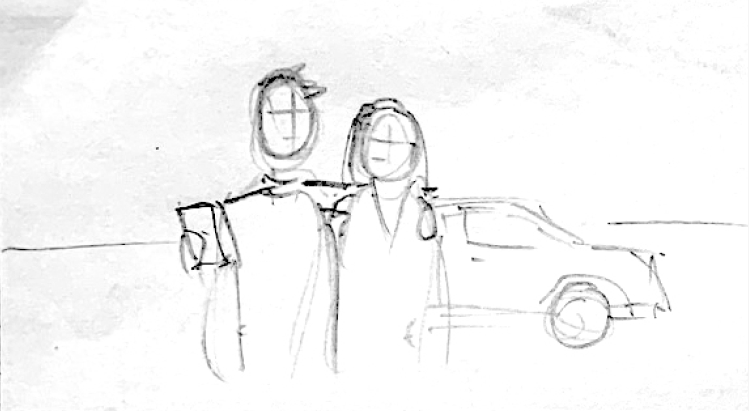
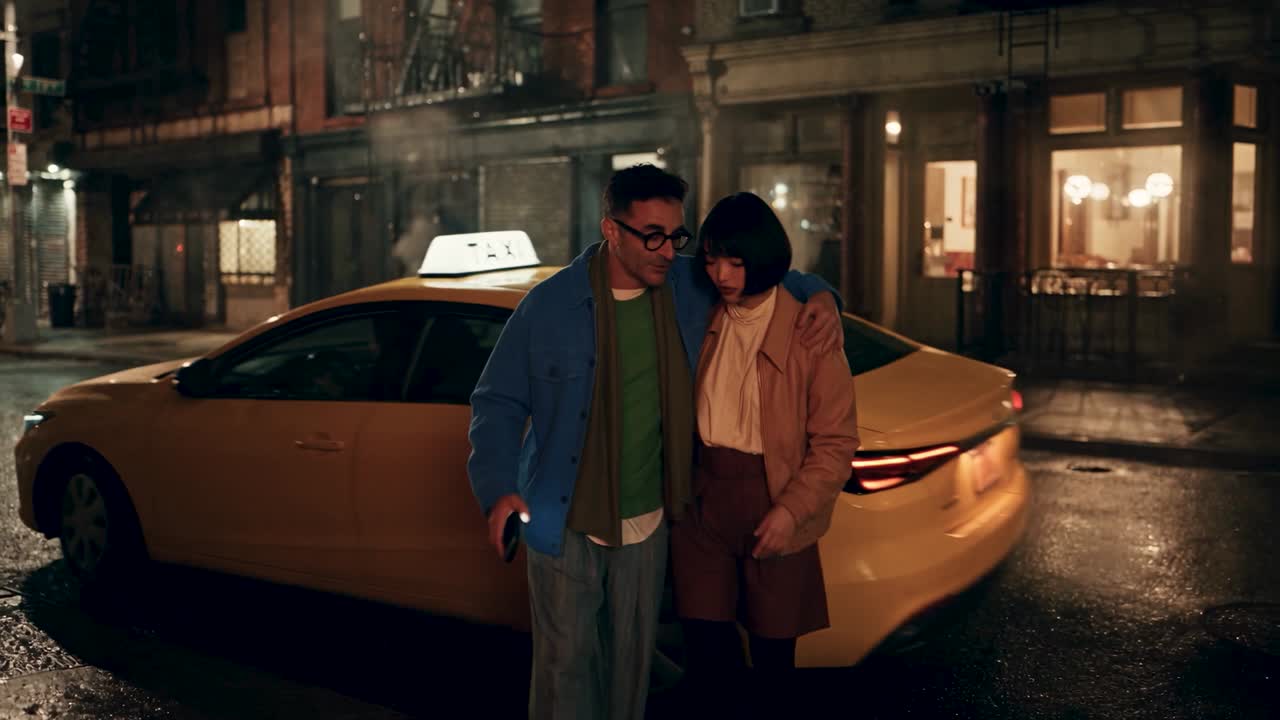
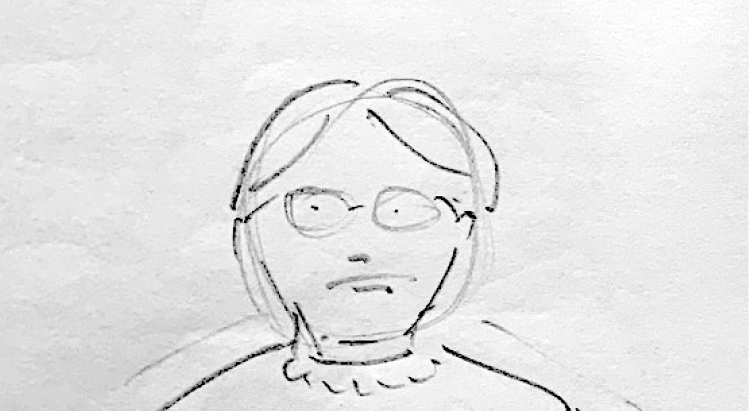
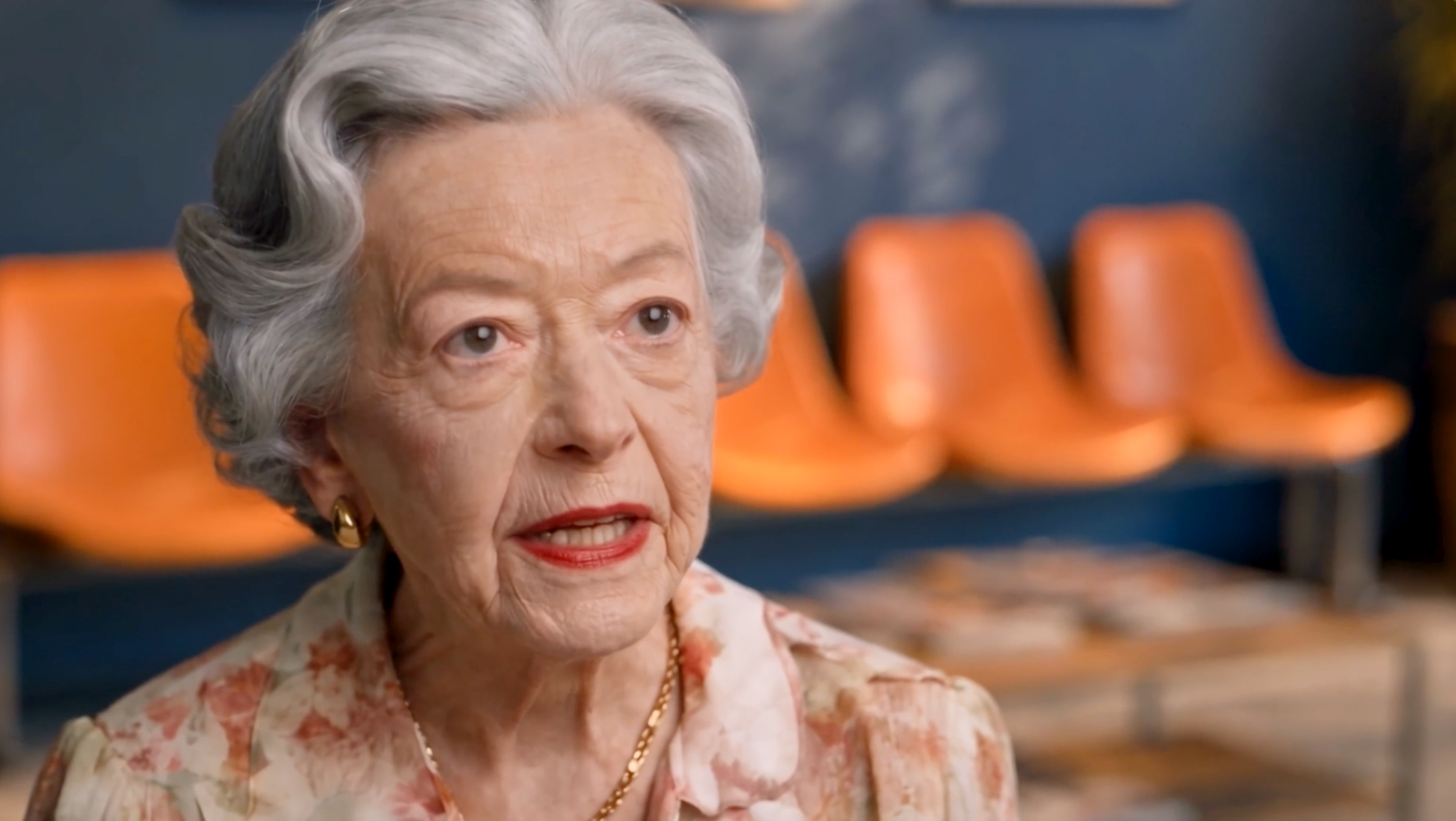
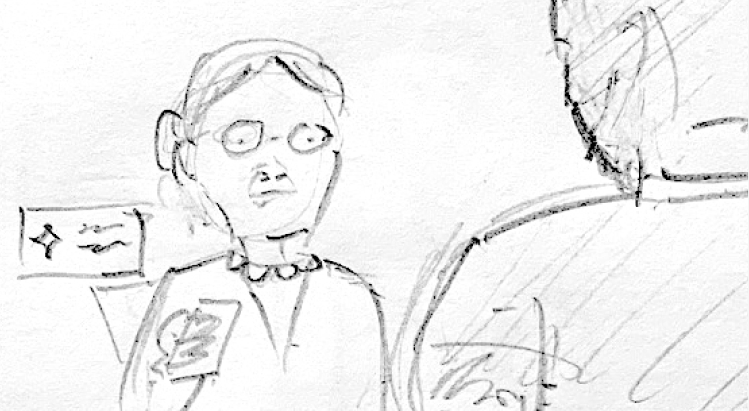
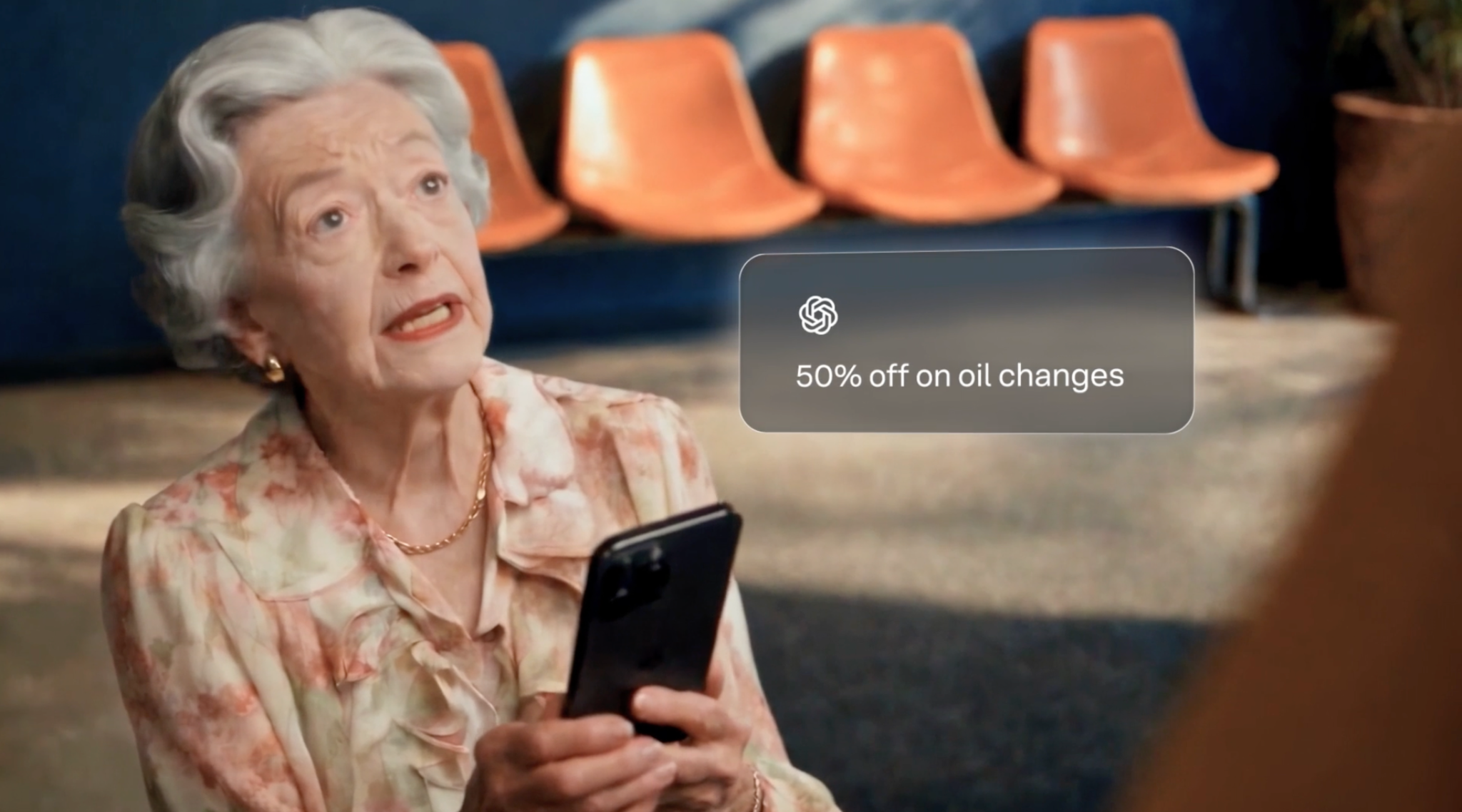
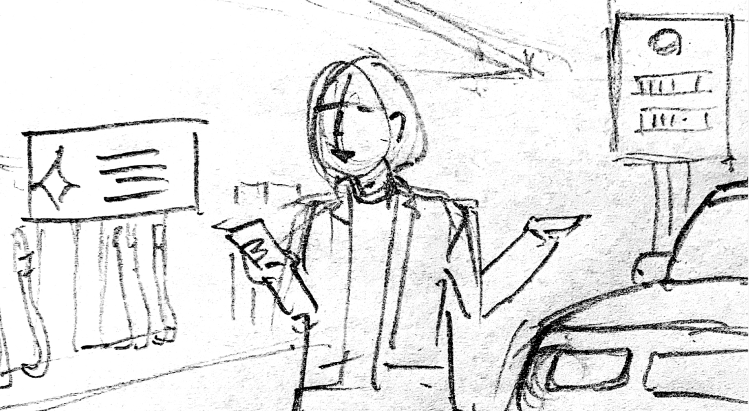
From the arrival to the closed-door reveal, the sketches establish the action and the phone check. Directed generation develops the setting, wardrobe, lighting, and performance across the sequence.
Bad signals. Real frustration. A human-led, AI-produced campaign that makes a complex brand problem impossible to miss.
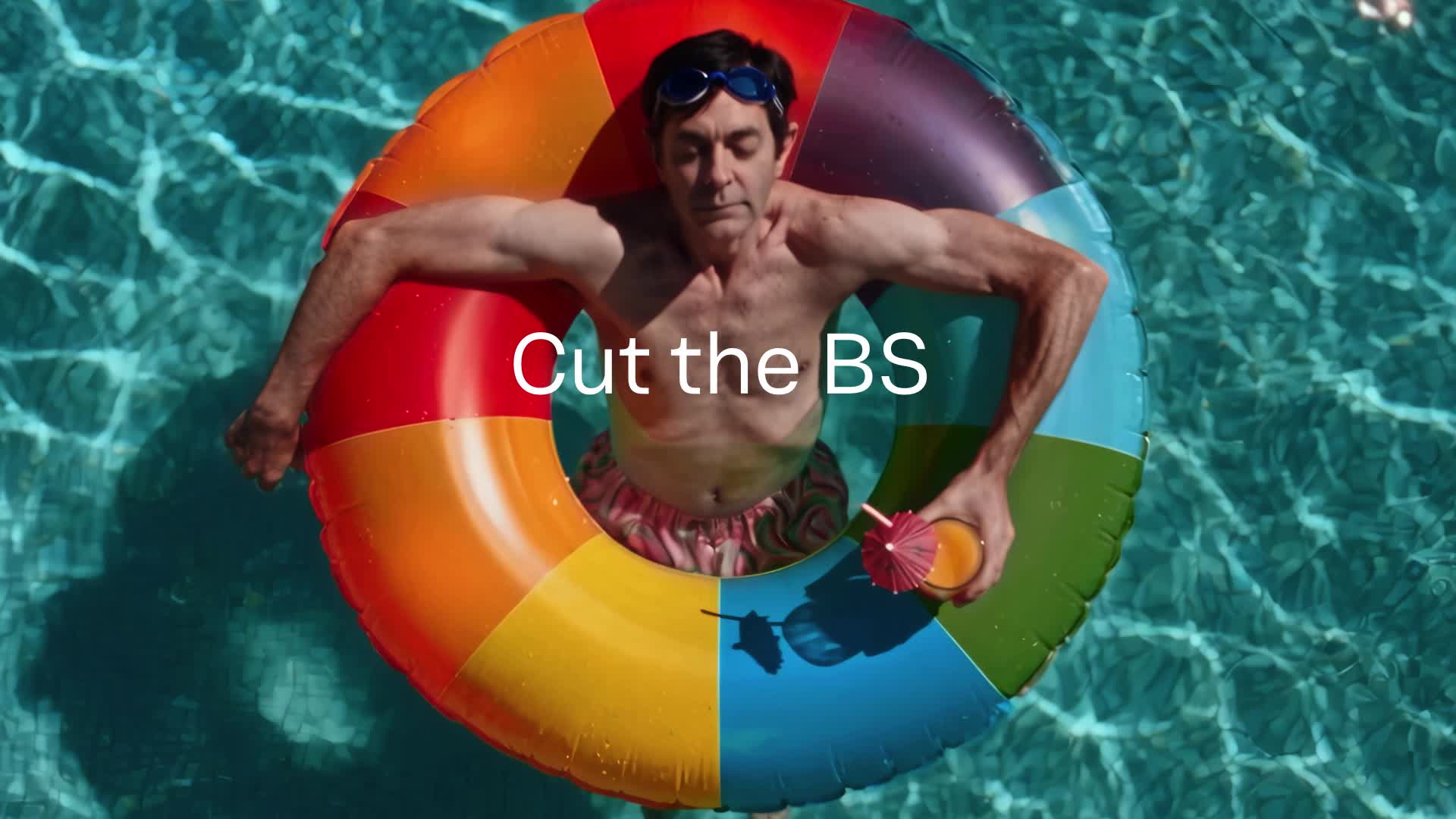
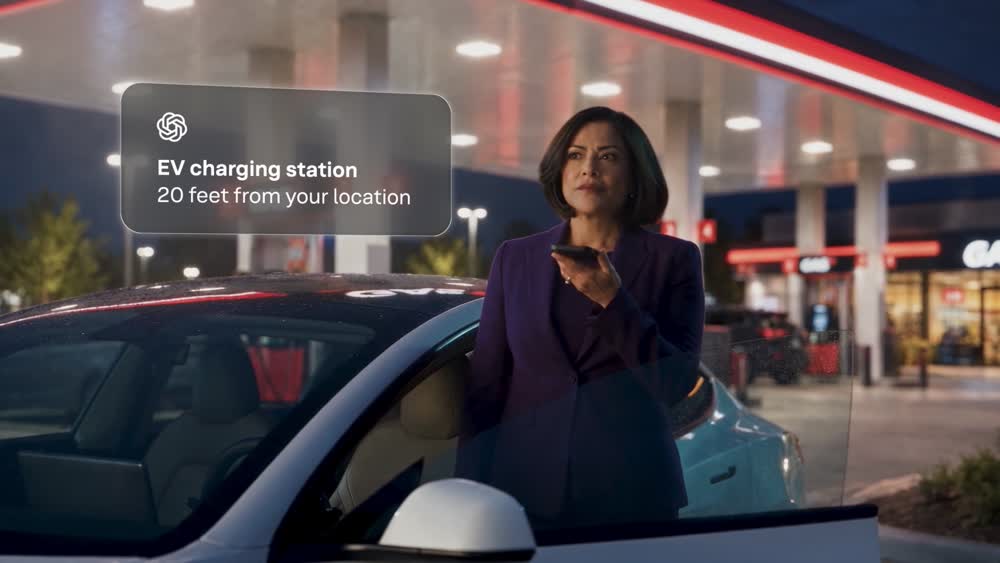
A restaurant that should be open. A charging station that isn’t there. A hotel pool that exists only in an AI answer. When a brand’s information is wrong, people feel it in the real world.
Yext originated the “Bad Signals” concept. Spin developed the story, script, humor, characters, and visual world, connecting everyday frustrations with Yext’s role in distributing verified brand data.
Every live-action-style shot was generated with AI under Spin’s creative direction. We created the custom graphics and motion, shaped the edit, and finished the sound and picture.
A 90-second hero brings the world together. Three 30-second spots give individual scenarios their own setup, payoff, and brand resolve.
Watch filmWatch film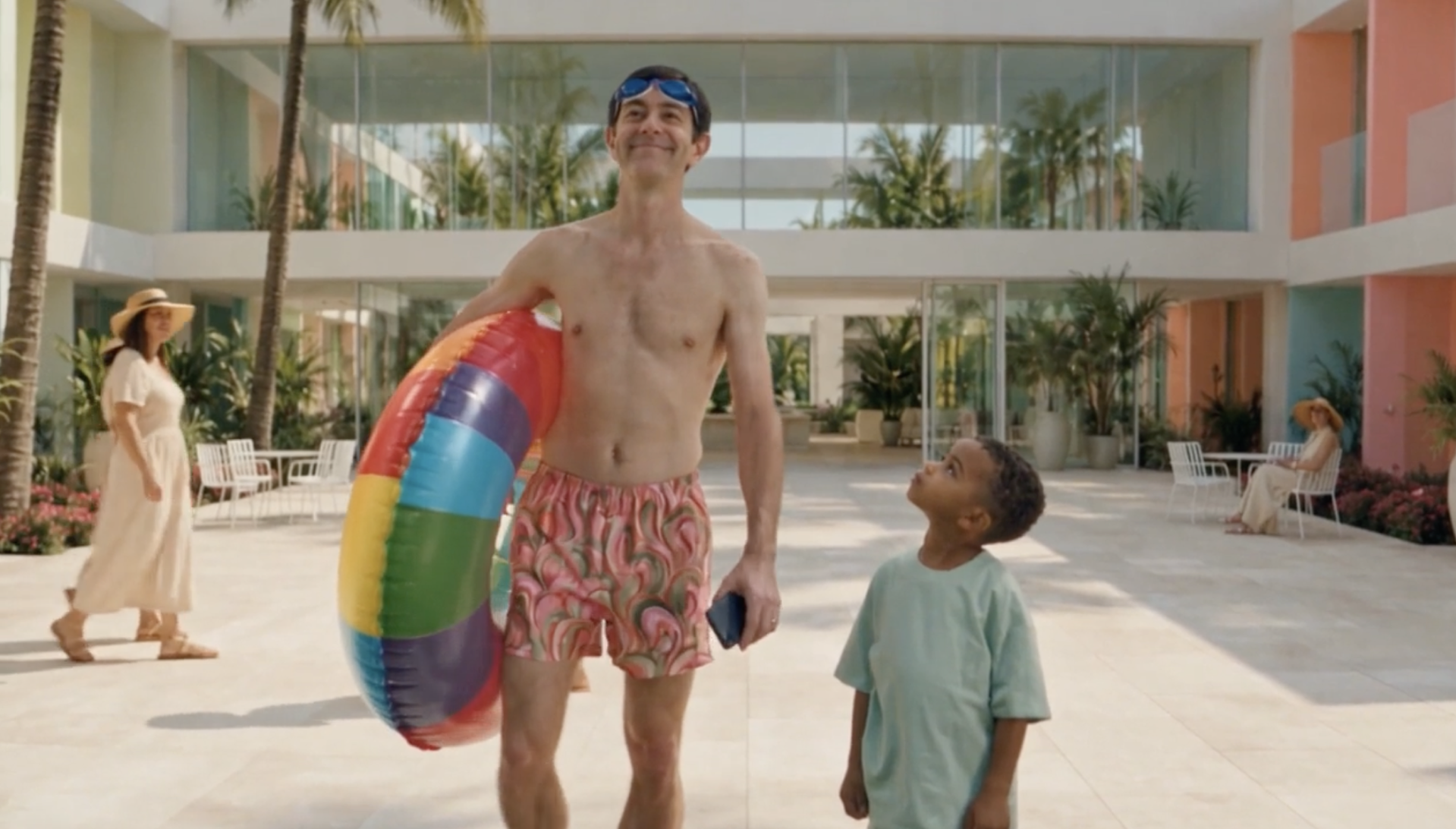 Watch film
 Watch film
AI opened up the production possibilities. Human strategy, judgment, and taste gave those possibilities a purpose.
We sharpened the human tension and the role of each scene, giving the shared frustration a comic voice.
We generated and refined footage and audio against defined characters, settings, and performance direction.
Graphics connect the humor to Yext. Editing and sound give each setup, reaction, and payoff its timing.
A connected production process, with creative review at every stage. Each decision gave the next stage a clearer brief.
Keep the brand and its employees sympathetic. The humor comes from a shared frustration with bad information, expressed through restrained dialogue and revealing reactions.
Output: narrative direction & scriptMap shot sizes, action, dialogue, expressions, and sound cues. Test the setup and payoff, explore alternate scenarios, and develop the graphic ending as part of the same story.
Output: shot-by-shot boardsDevelop character descriptions, wardrobe, locations, props, color, and framing. Build reference images and rendered boards so the team and client can assess the intended world.
Output: cast & scene referencesGenerate and refine shots using the visual references. Assess line delivery, expressions, eyelines, framing, and continuity. Select takes that serve the scene and revisit those that do not.
Output: selected shots & dialogueBuild the narrative rhythm. Integrate custom search graphics and the animated brand explanation. Refine music, sound effects, voiceover, color, and the final mix.
Output: finished hero masterReshape individual scenarios into :30s, shorten the closing voiceover, create additional payoff shots, and reposition graphics for different placements.
Output: campaign versions & assetsReview. Refine. Repeat. Story clarity, performance, continuity, and brand fidelity guided the work throughout.
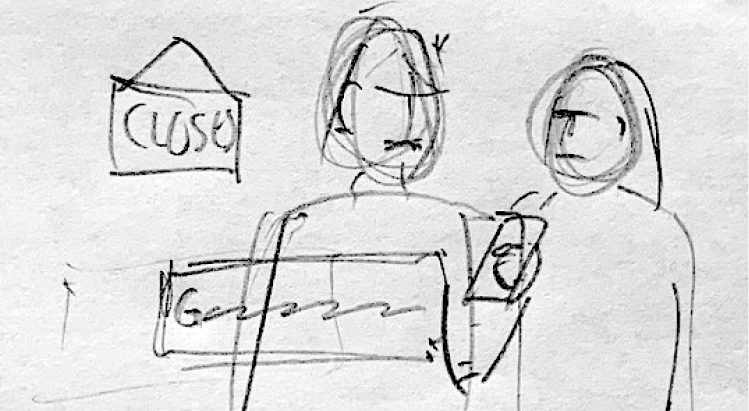
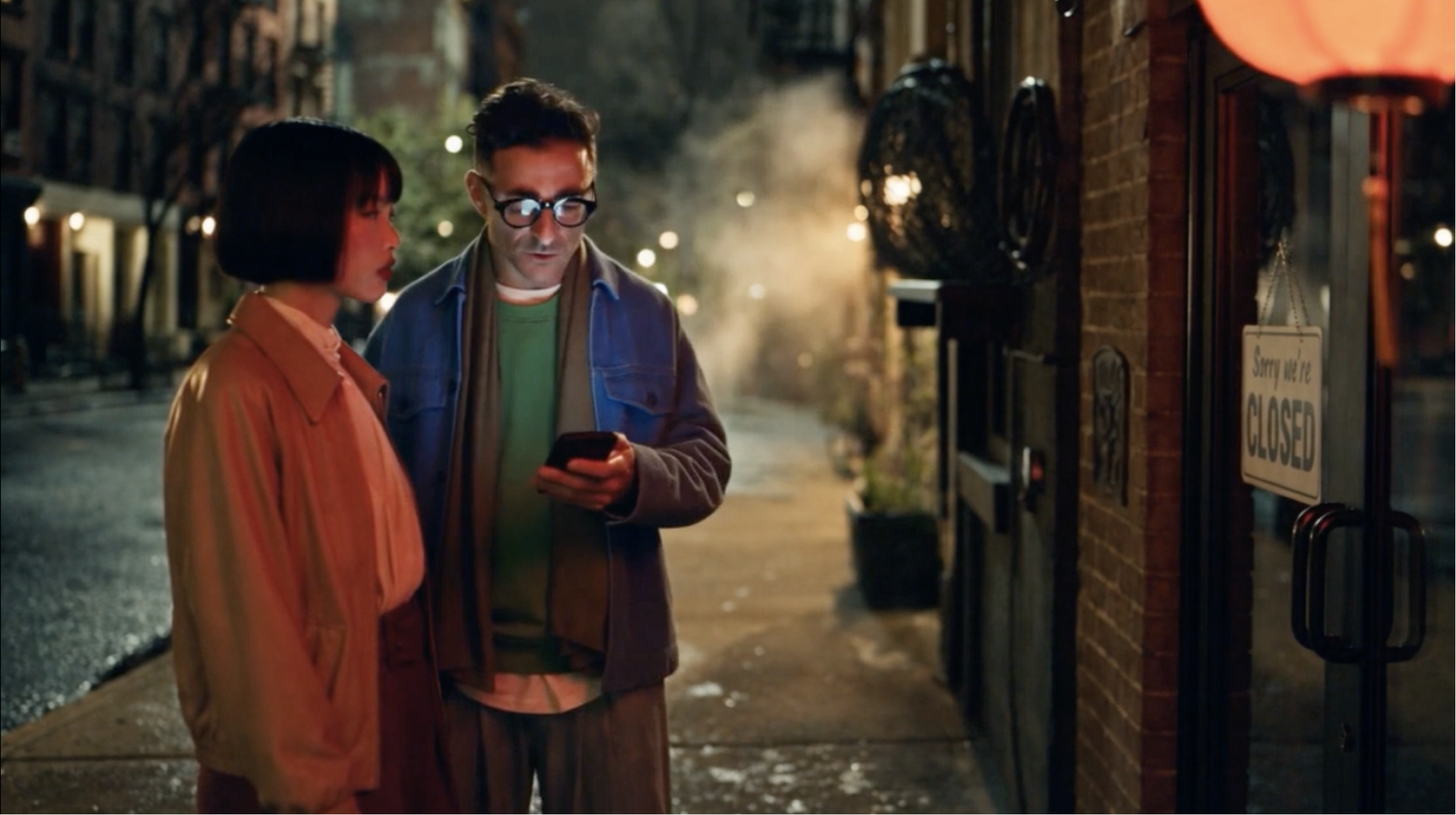
Sketches establish each setup, action, and reaction. The comparisons show how those decisions carry into the finished scenes.
From the arrival to the closed-door reveal, the sketches establish the action and the phone check. Directed generation develops the setting, wardrobe, lighting, and performance across the sequence.
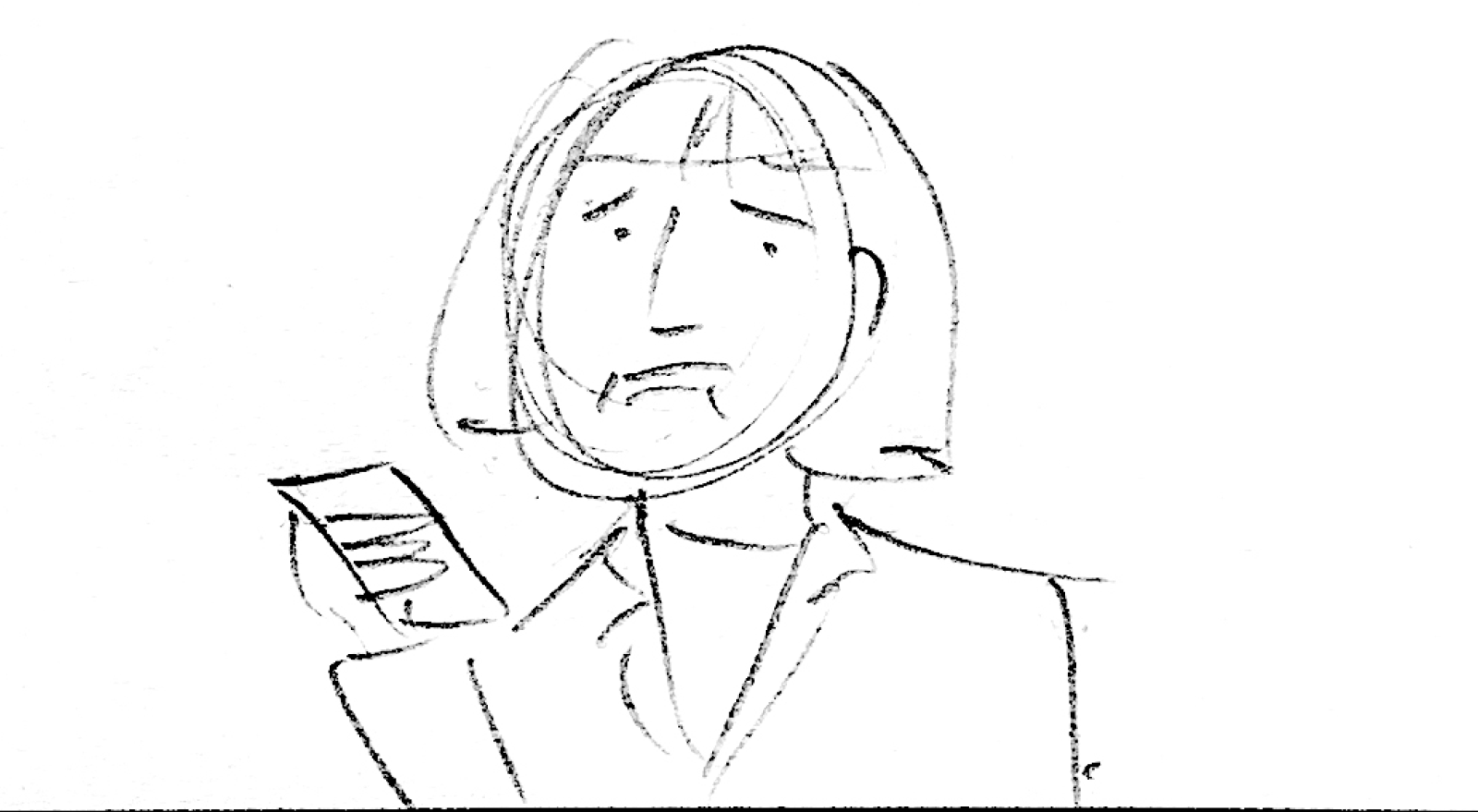
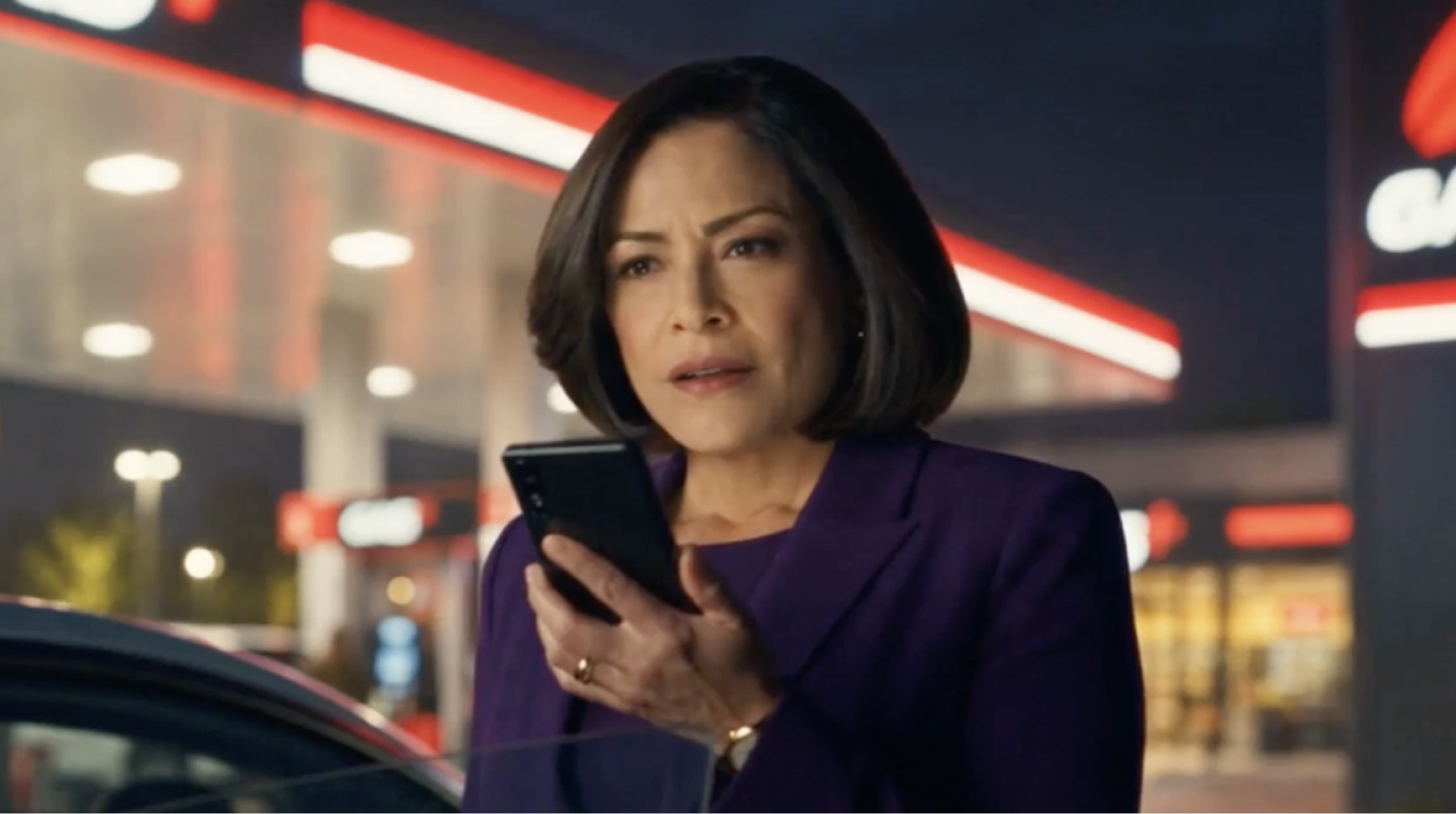
The close-up and phone reveal are planned in the original storyboards, then developed into the selected character, performance, and finished scene. The final phone frame also shows the custom offer graphic.
The sketch fixes the driver, open car door, and search result in one composition. The finished scene carries that direction into location, wardrobe, lighting, and custom graphics.
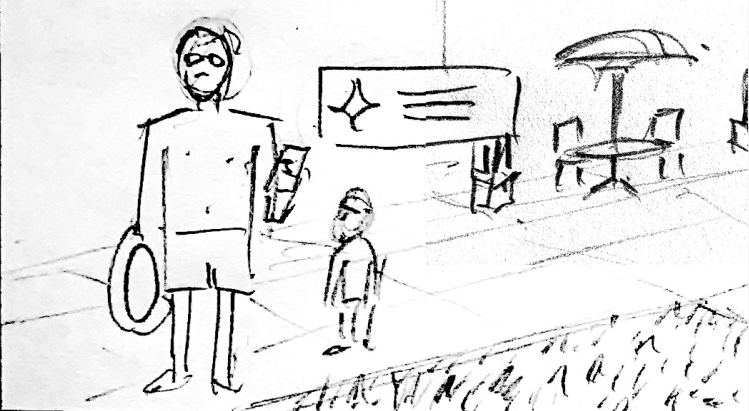
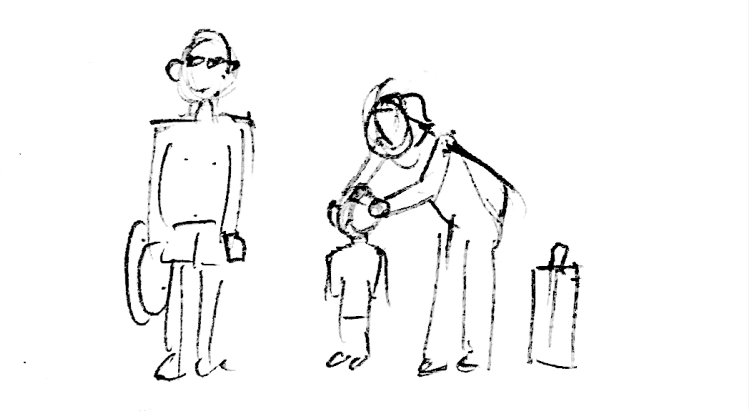
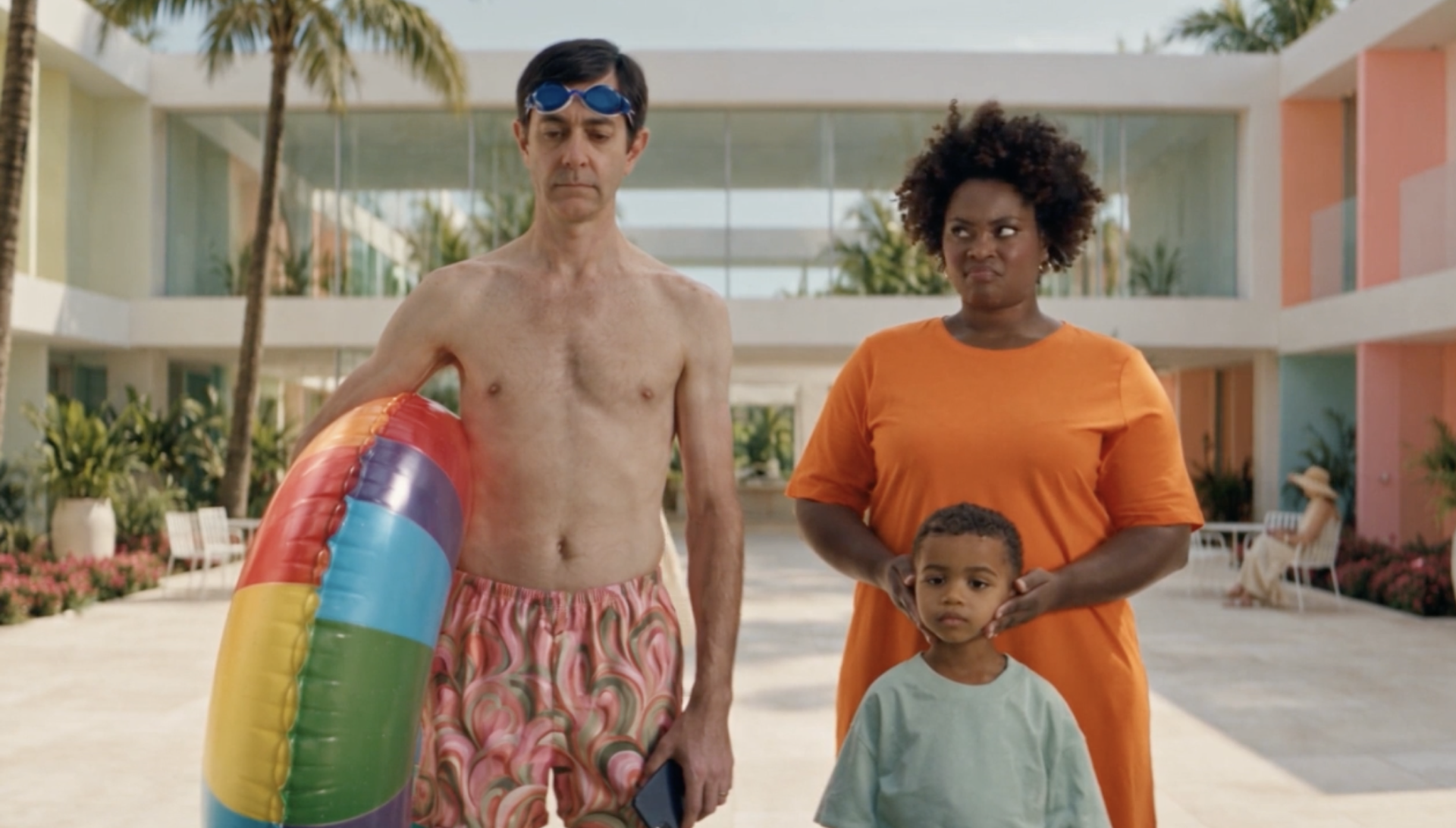
The poolside setup and the mother’s reaction shape the comic beat. These original boards establish who is in the scene, where the attention goes, and how the reaction lands.
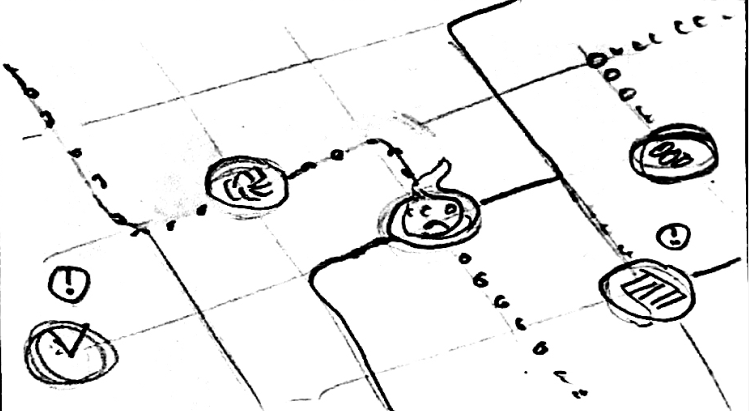
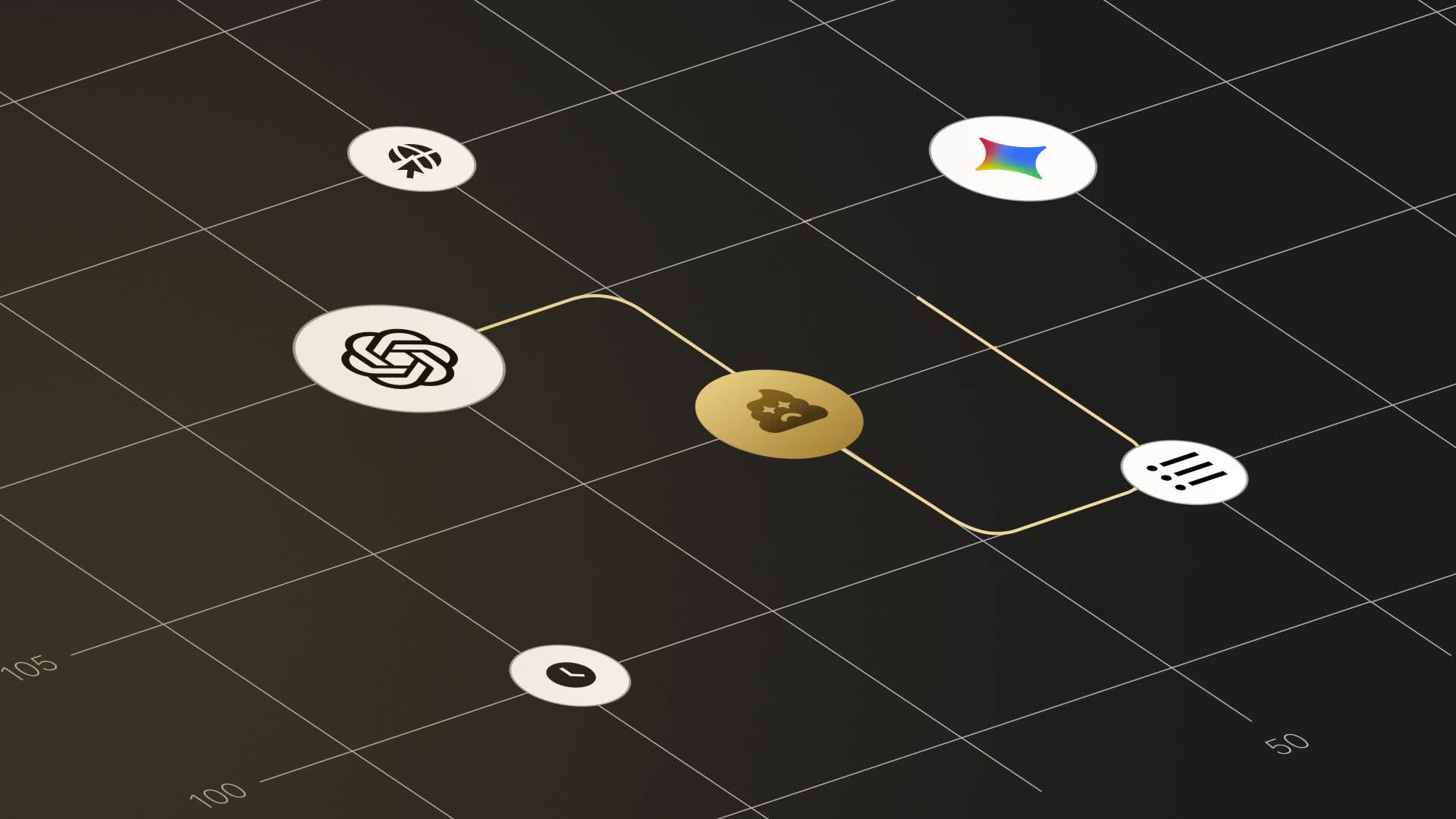
The drawn grid establishes the relationship between information sources. Human-designed graphics and animation turn that structure into the campaign’s visual explanation.
The overhead pool composition is planned in the storyboard, then developed into the colorful final payoff with the campaign message.
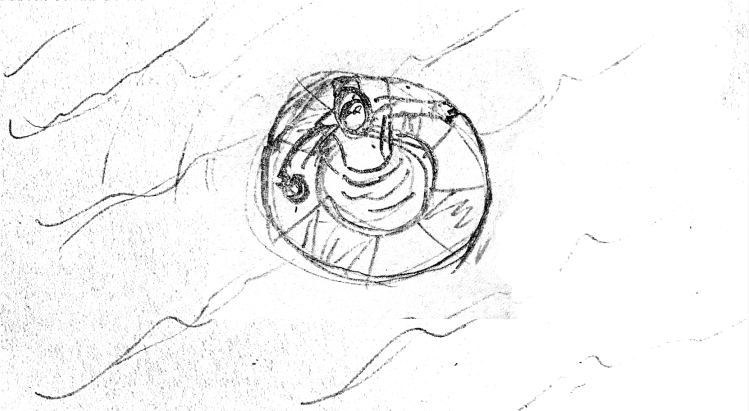
Original production sketches and selected campaign frames. Select an image to enlarge.
Age, wardrobe, posture, and voice give each character a role in the joke. Shared references keep that personality consistent across shots.
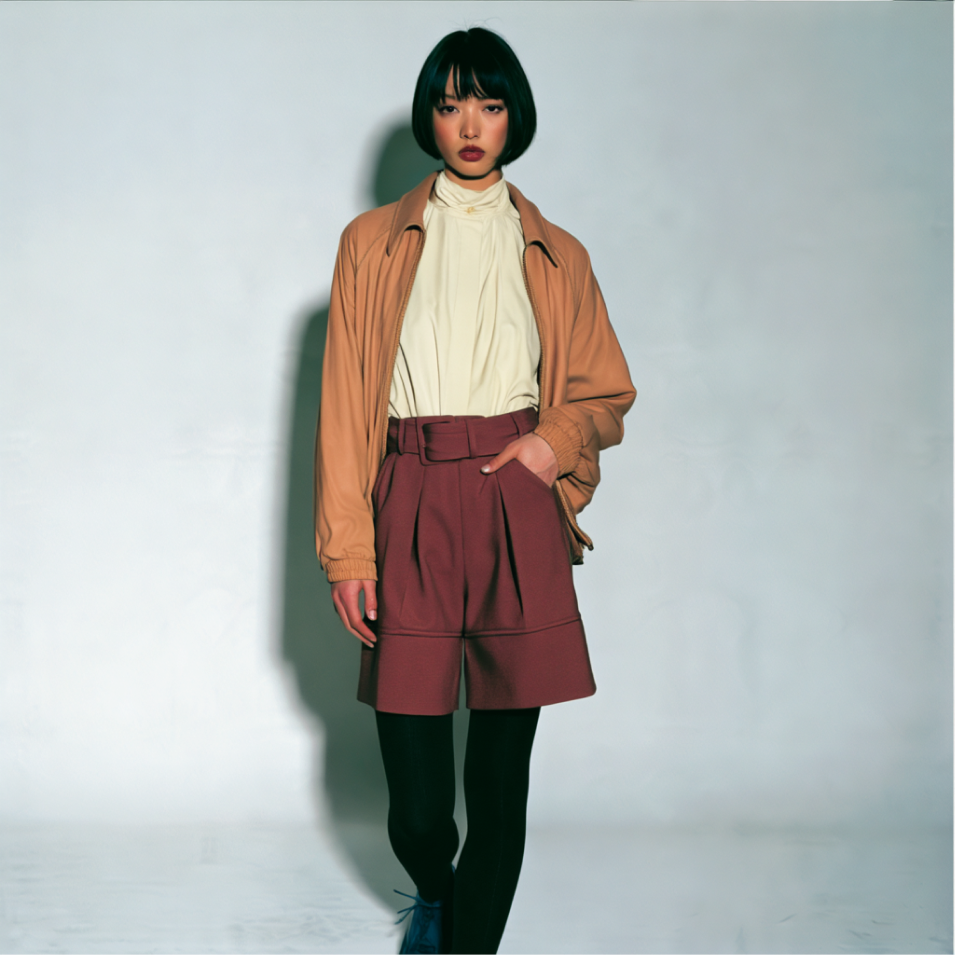
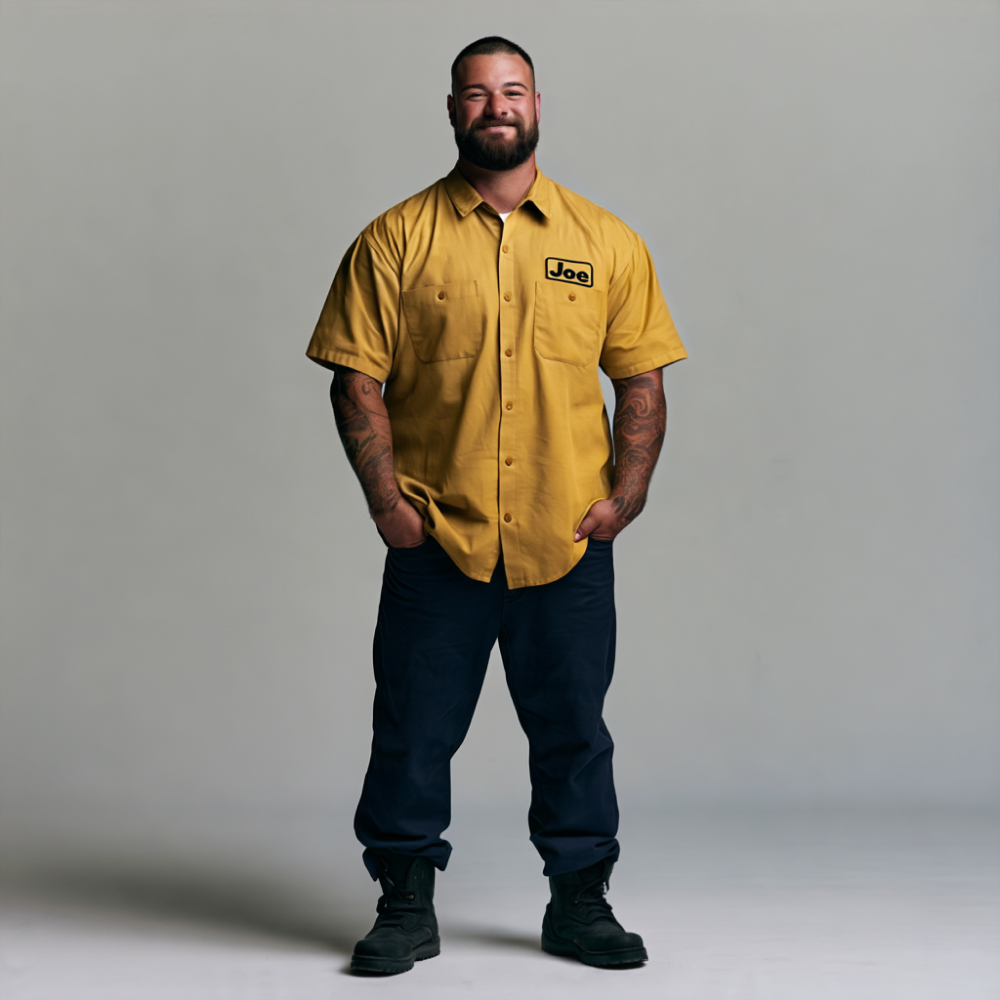
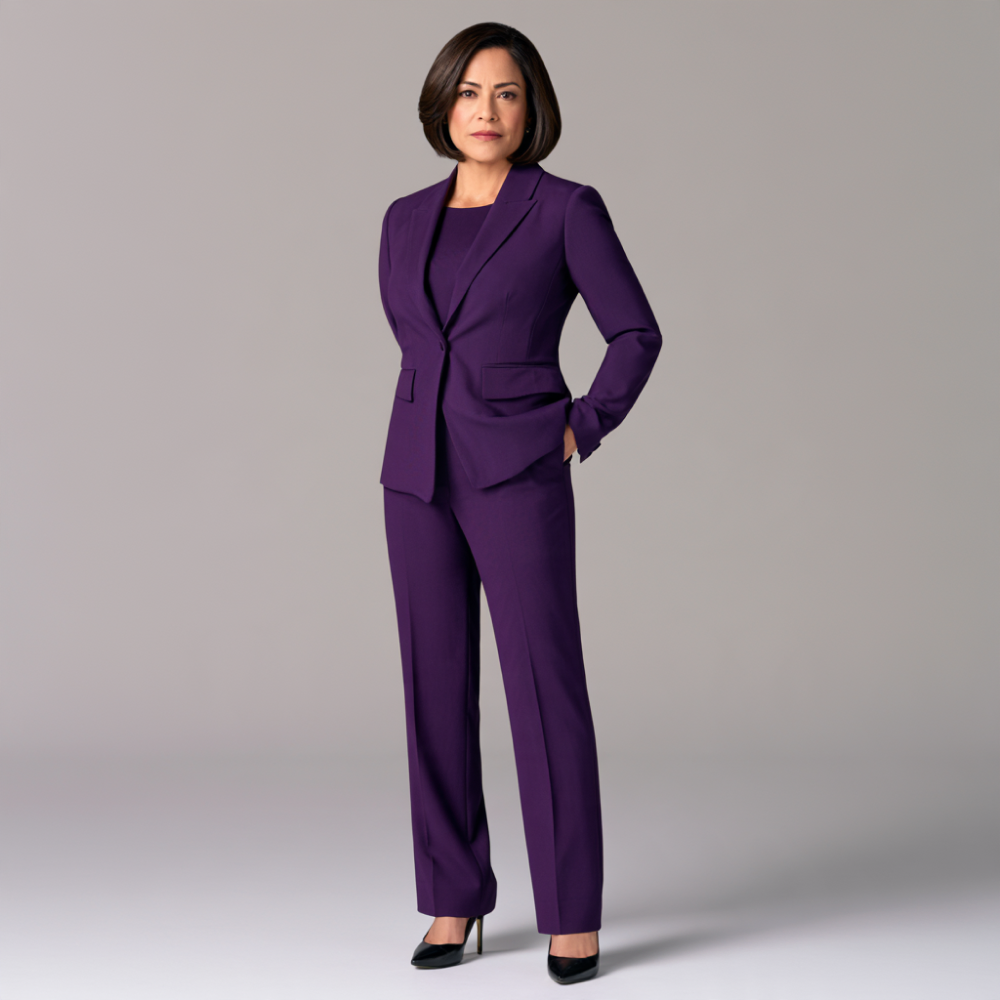
Distinct wardrobe, locations, and lighting make each scenario recognizable before the dialogue begins.
We assessed continuity across each sequence, refining or regenerating shots when appearance, action, or performance broke the story.
Human direction shaped the generated footage: the mechanic’s surprised response and the mother’s disapproving glance at the poolside guest. Small changes in framing, expression, and delivery changed whether the humor landed.
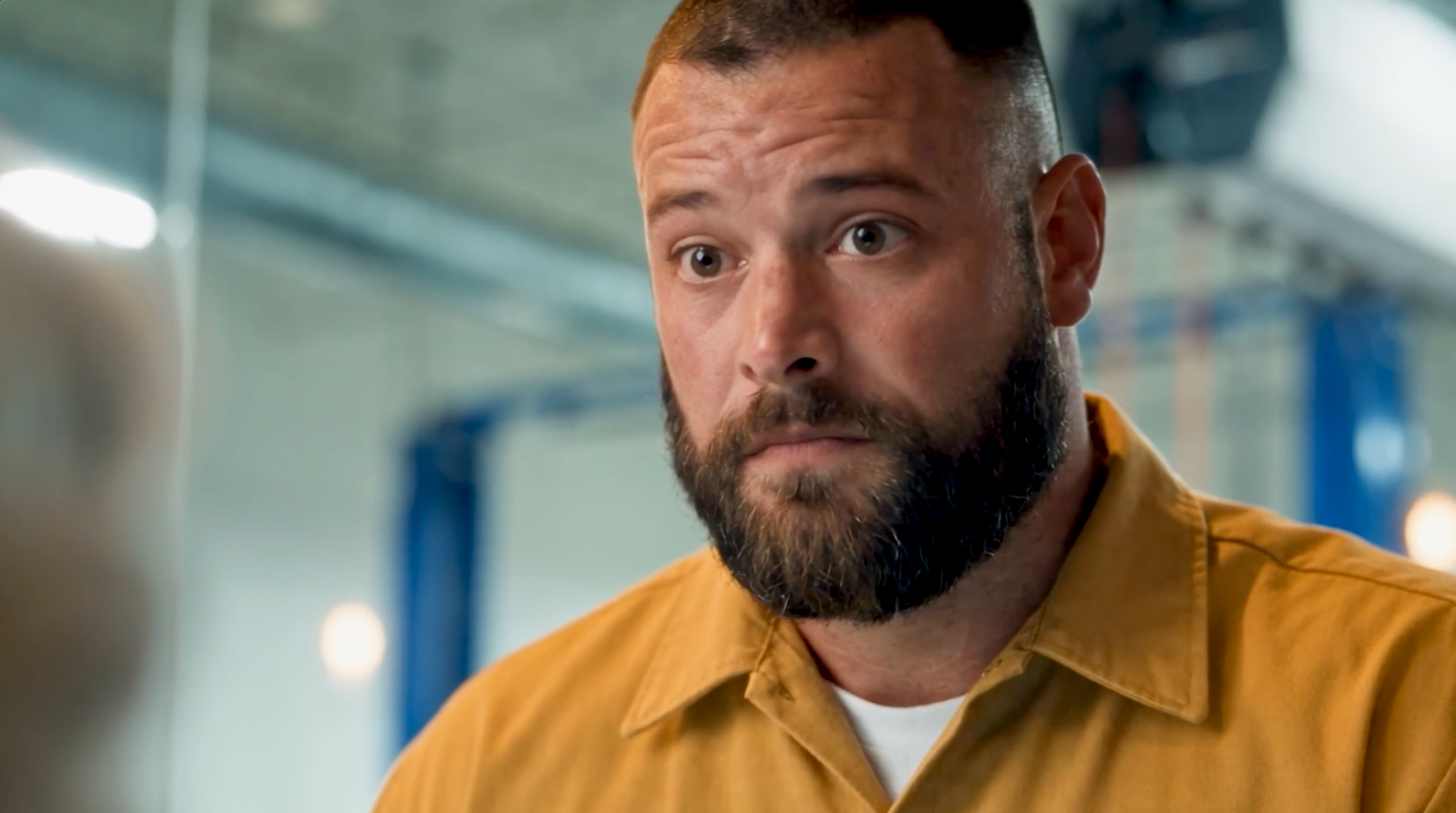
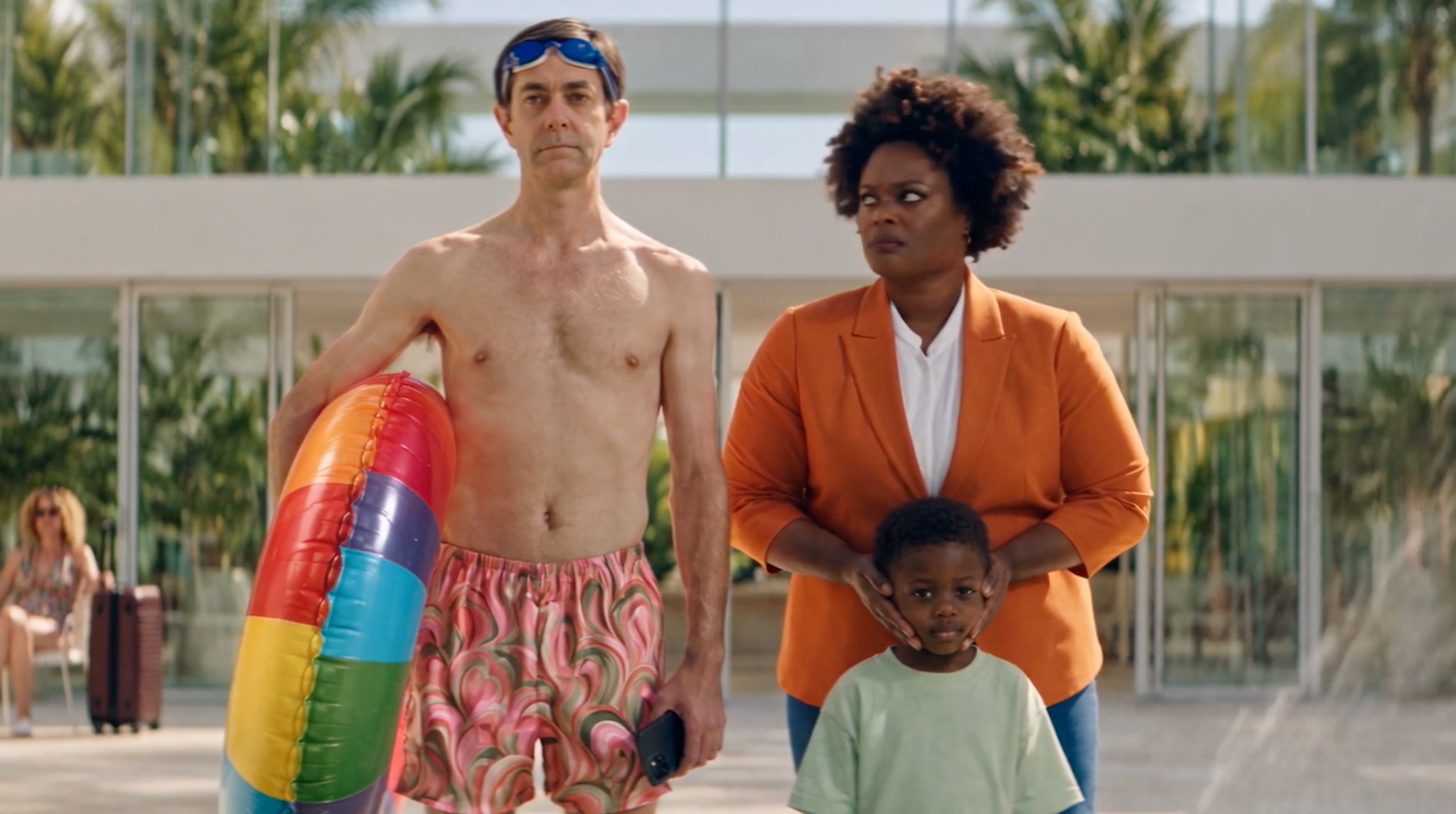
Each selected take had to work in the edit. Voiceover, sound, and precise pauses shaped the final comic timing.
The campaign needed to explain the problem and give Yext a clear role in solving it. Custom search callouts, line work, platform icons, and motion graphics bridge the character scenes and the brand message.
We built the graphic language from Yext’s brand system, using typography, line work, and motion to make the information clear within each scene.
We selected and shaped AI-generated voice, music, and sound elements, then balanced dialogue, matched shots, graded color, and mixed the final film.
The hero film and three :30s were delivered in 16:9 and 4:5, with compositions adapted for each placement.
The long-form spot and three scenario-led :30s.
Reframed versions of the hero and three :30s for social placements.
The restaurant, EV, and pool edits each give the campaign a distinct entry point, with their own setup, frustration, and brand payoff.
Each :30 needed its own pace and resolution. Additional generated shots, including the charger connection and sushi payoff, helped the shorter versions feel complete.
We reposition characters, search graphics, and typography for each placement, keeping the joke and brand resolve readable.
The campaign includes the long-form spot and three :30s in 16:9 and 4:5.
Editing shapes the performance; custom motion connects it to the message. Sound, compositing, and color give the campaign a consistent finish.
Client reviews guide the concept, boards, performances, edit, and final format checks.
AI made a varied cast and ambitious scenarios practical. Spin’s creative direction gave them a consistent world, a clear brand role, and a reason to watch.