
A campaign concept earns its place when it can guide more than the first impressive execution. If the idea disappears when a hero film becomes a short spot, a landing page or a sales conversation, the team may have approved a treatment before it had a campaign.
At Spin, we look for a simple relationship: an audience tension, a brand role and a creative device that makes the relationship memorable. Enterprise campaigns need that clarity because many people will interpret the idea after the concept meeting. Product marketing, brand, communications, regional teams and production partners need a shared decision they can carry into their own work.
Separate the idea from its first expression
An insight describes something consequential about the audience. A concept turns that understanding into a communication idea. A platform gives the idea repeatable rules. An execution is the specific piece the audience sees. Keeping those layers distinct makes creative review more useful.
A message house can organize the promise and supporting evidence. The campaign concept gives that material an expressive form. One should inform the other, but a list of messages still needs a creative idea.
Does the idea travel?
What is happening in the audience’s world, and why does it matter?
What can the brand credibly help change?
What line, image or story makes the relationship memorable?
Can a different format express the same idea with a useful role of its own?
Yext: one problem, different human consequences
The Yext Bad Signals campaign gives this test a concrete form. Yext originated the “Bad Signals” concept. Spin developed its story, script, humor, characters and visual world, connecting inaccurate brand information to everyday frustration.
A restaurant is closed when someone expects it to be open. A driver encounters an inconvenient charging reality. A hotel guest arrives with the wrong picture of its pool. The settings change, but the relationship stays clear: bad information creates a real human problem, and Yext has a role in distributing verified brand data.
That attribution matters. The original concept came from Yext. Spin’s creative contribution was to build a world and a storytelling approach that let the concept work as a connected campaign. This article examines that creative structure; it does not claim measured campaign performance.
A short spot needs a complete idea
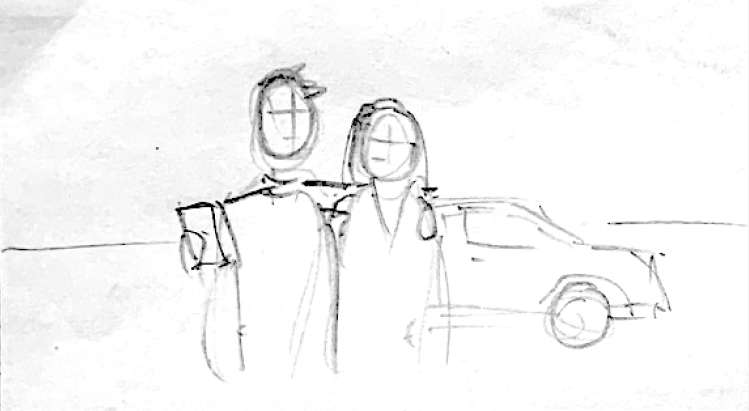
The published project includes a 90-second hero and three 30-second scenario films. The shorter films each needed a setup, payoff and brand resolution. They were reshaped around individual scenarios rather than treated as arbitrary excerpts of the hero.
This is a useful concept test for a product launch. Ask what the audience needs to understand in the shorter encounter. Preserve the central tension and brand role, then change the storytelling to fit the encounter. Keeping every sentence from the long version can make the short version less clear.

Use examples to understand mechanics
A campaign example is useful when you can identify how it works. In Yext’s case, the recurring device is a familiar expectation interrupted by bad information. The humor comes from the mismatch and the human reaction. The brand explanation resolves the same problem the story introduced.
Borrowing that structure does not mean copying its scenes, tone or language. An enterprise product with a different audience and a different role may need a completely different device. Begin with evidence from customer conversations, sales questions and category language. Write down what is observed and what remains a hypothesis.
A hypothetical example: the quiet quarter
Imagine a cybersecurity team whose successful prevention work is difficult to explain to the board. A possible concept is “The quiet quarter,” making the value of uneventful operations visible. This is an illustrative concept, not Spin client work or a claim about security outcomes.
A film might dramatize the contrast between a calm workplace and the work behind it. An executive presentation could explain the operational evidence. A landing page could show how the product supports specific workflows. The relationship remains recognizable while each execution does a different job. Every claim would still need review against the actual product and evidence.
Give stakeholders something specific to judge
Present each route against the same brief: audience, business task, observed tension, brand role, concept statement and sample executions. Show enough copy and imagery to make the tone understandable. Explain what is provisional so reviewers can assess the idea before debating production detail.
Use creative direction and art direction to separate questions about the central idea from questions about its expression. “The audience will not understand our role” calls for a different response from “the visual tone feels too formal.”
Name the decision maker and invite product, regional and legal input at the stage where it can help. Record feedback against the brief. A comment based on personal taste may reveal a real issue, but it needs to be translated into an audience or brand concern before it directs a revision.
Pressure-test before production multiplies the idea
Ask a small, relevant audience to explain the concept in its own words. Check what they think the brand offers, what feels credible and what they would need to know next. Use those conversations to uncover confusion. They are not a statistical forecast of campaign results.
Then create a deliberately different execution. Move from film to a static placement, an executive presentation or a product page. If the idea requires the original voiceover to make sense everywhere, clarify the device or narrow the campaign’s intended role.
Tie this review to your product launch readiness plan. Creative approval, substantiated claims, production feasibility and channel readiness are related decisions. Agree who owns each one before committing the full production budget.
Keep the idea intact through delivery
Document the elements that must remain consistent: the tension, the promise, key language, visual cues and the way the brand resolves the story. Also document what can change by audience or format. Regional teams need permission to adapt intelligently within a recognizable idea.
Create an asset tracker with version, audience, message, format, owner, review status and intended placement. Match measurement to the job of each execution. A short awareness film and a product evaluation page should not be judged only by the same view count. Decide what evidence will inform the next creative decision before the work goes live.
When is a concept ready?
When the team can explain the audience tension and brand role, show the idea in meaningfully different executions, identify the claims needing support and agree on a feasible production scope. It should be clear enough to guide the next maker without requiring the original presentation.
Explore Spin’s Advertising capabilities or start a conversation with your brief and the execution that currently feels hardest to solve. That is often where the strength of the idea becomes visible.