A brand has to hold together when a sales team builds a deck, a writer explains a new product and a designer takes it into motion. At Spin, we build the connections between those moments, from the strategic choices that shape a brand to the tools people use every day.
Most of our branding work begins with something that already exists. A business has a product, a point of view and a collection of materials. Some of those materials still work. Others reflect different moments in the company’s development. The team needs a clearer way to move forward.
That situation calls for judgment. What is worth keeping? What needs to change? Where does the brand need a more distinctive expression, and where do people simply need better guidance?
Our approach connects the entire brand journey: research and positioning, verbal and visual identity, a scalable system, and the tools and training that help people use it. We can build a brand from the ground up or evolve an existing one, then stay involved as it grows.
The business question comes first
Before exploring an identity, we want to understand what the brand needs to help the business do. Reach a different audience? Explain a more complex offer? Bring several products into one coherent story? Give a growing marketing team a shared foundation?
We look at the current brand in use, including the website, sales materials and the work people make under pressure. We combine that audit with stakeholder and customer conversations, audience research and a review of the competitive landscape.
Those findings help determine the level of change. A brand may need a focused evolution, a broader refresh or a rebrand. We want that recommendation to follow the evidence. Existing recognition and useful assets deserve consideration alongside the opportunity to do something new.
A connected process for branding and rebranding
Spin’s process connects brand foundation and direction, creative development, and templates and systems. The diagram shows how the work opens up for research and exploration, comes together at approval points, then moves into implementation. Workshops and reviews help the team make decisions throughout.
Our branding process.
Brand foundation
and direction
Discover
Customer research
Sector research
Competitor brand audit
Business objectives
Define
Insight
Key considerations
Brand and creative strategy
Process and workflow
Creative
development
Explore
Creative direction
Design
Tone of voice
Messaging framework
Design systems
Supporting imagery
Iconography
Motion language
Brand guidelines
Templates
and systems
Implement
Test
Measure
Iterate
Workflow review
Documentation
Training
Hand-over
Further collaboration
Campaigns
Phase 1 / Brand foundation and direction: Discover and Define. Discovery brings together customer research, sector research, a competitor brand audit and business objectives. Definition turns that evidence into insight, key considerations, brand and creative strategy, and a plan for process and workflow. A review leads to approval of the foundation before creative exploration begins. For an existing brand, this work helps establish the level of change required.
Phase 2 / Creative development: Explore. The approved foundation guides creative direction and design, tone of voice, the messaging framework and design systems. Supporting imagery, iconography and motion language develop as part of that same exploration, with the decisions captured in brand guidelines. A workshop and three reviews provide opportunities to discuss, refine and resolve the work before the next approval point.
Phase 3 / Templates and systems: Implement. We test, measure and iterate as the brand moves into use. Workflow review helps the system fit the way the team works. Documentation, training and handover equip people to apply it consistently. Further collaboration and campaigns carry the work forward, with Spin continuing alongside the marketing team as the brand’s needs develop.
The approval points give each phase an agreed foundation. The reviews create room for refinement. Together, they connect the initial strategic decisions with a brand system people can use and continue to develop.
Make the strategy visible in the work
A positioning statement should influence what people see and hear. It should help a writer choose a headline, a designer choose an image and a creative director decide which idea deserves development.
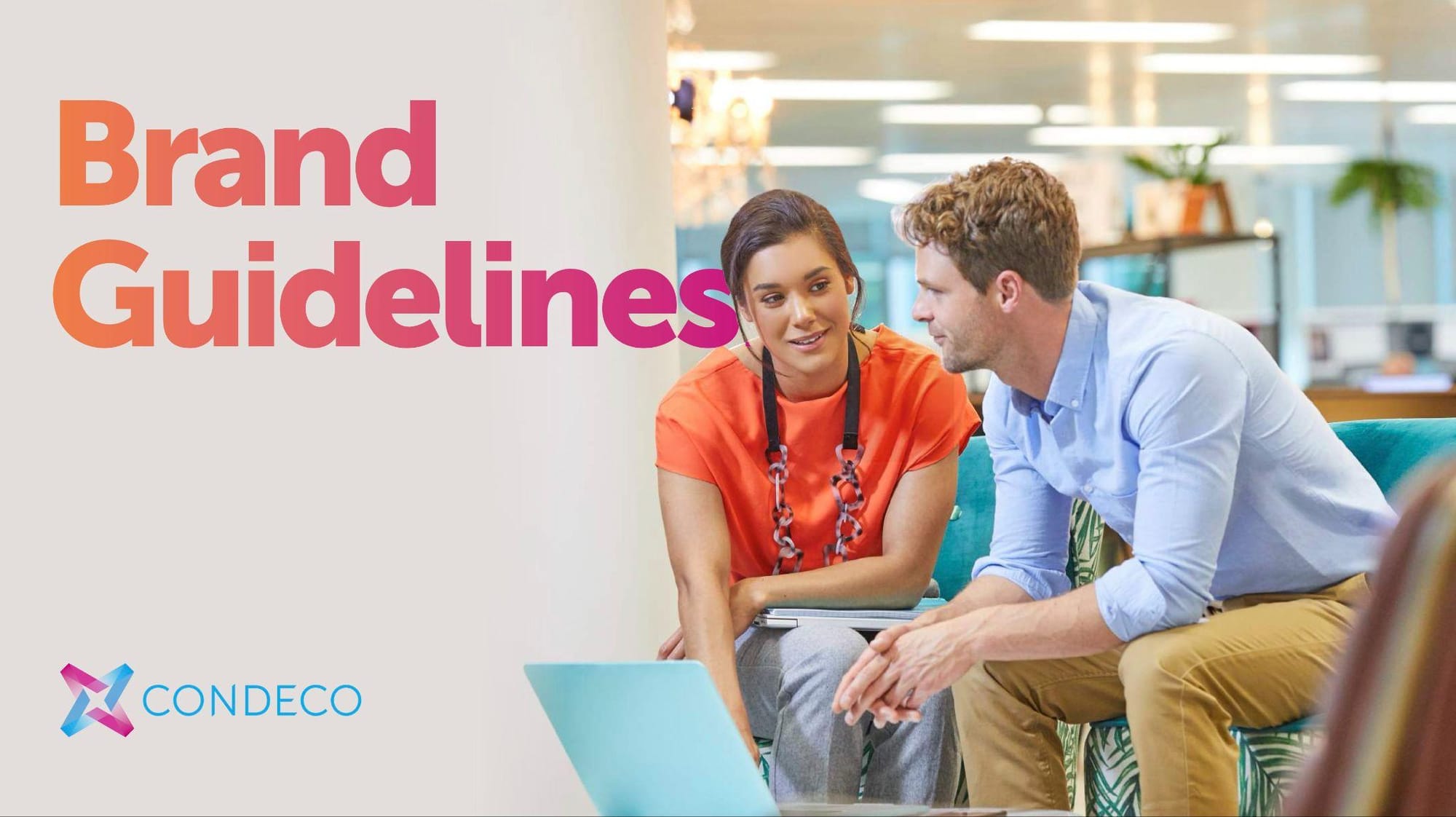
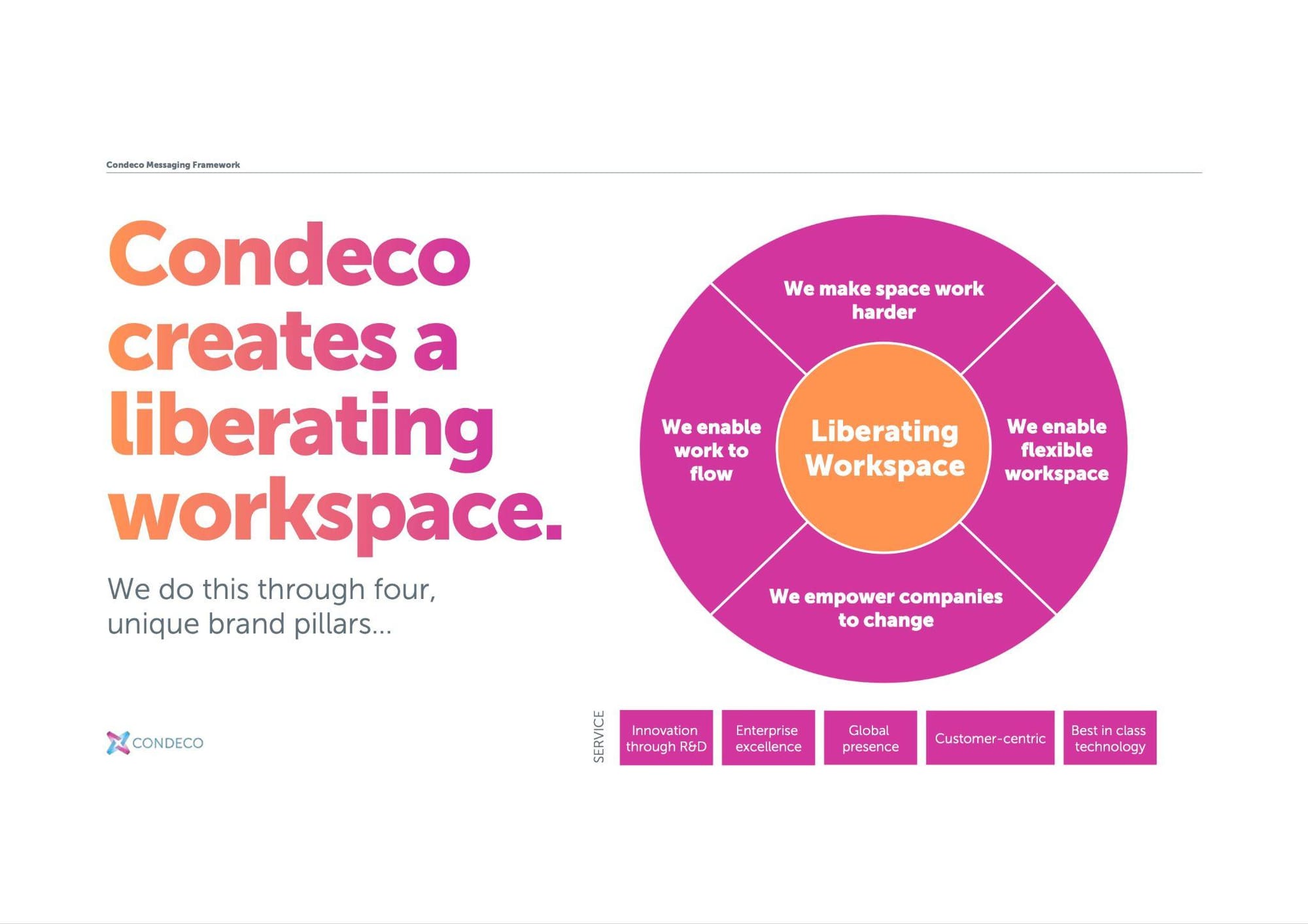
For Condeco, our work connected brand positioning with a visual identity and a documented system. It included a logo system, a six-column grid, typography, color and gradients, illustration, photography direction and sales and marketing materials. The 68-page guidelines brought those decisions into one reference.
The verbal work needs the same specificity. Describing a voice as “confident” or “human” leaves a lot open to interpretation. Writers need examples, audience context and guidance on how far an expression can go. If humor belongs in the brand, what kind of humor? Where does it help, and when would it get in the way?
Our Condeco work included voice and tone guidance, messaging, personas and a content matrix. Those tools make creative choices easier to discuss and repeat. A message house can help organize the story, while examples show people how to put it into language.
A brand has a way of behaving
Brands appear in films, product explainers, presentations and social feeds. Their character emerges through timing and movement as well as typography and color. We consider that behavior while developing the system.
Yext created Scout, its product character. Spin brought that existing character into motion and video storytelling, developing an animation language and a series of videos around Yext’s creation. The work shows how motion can extend a character’s role within a broader brand system.
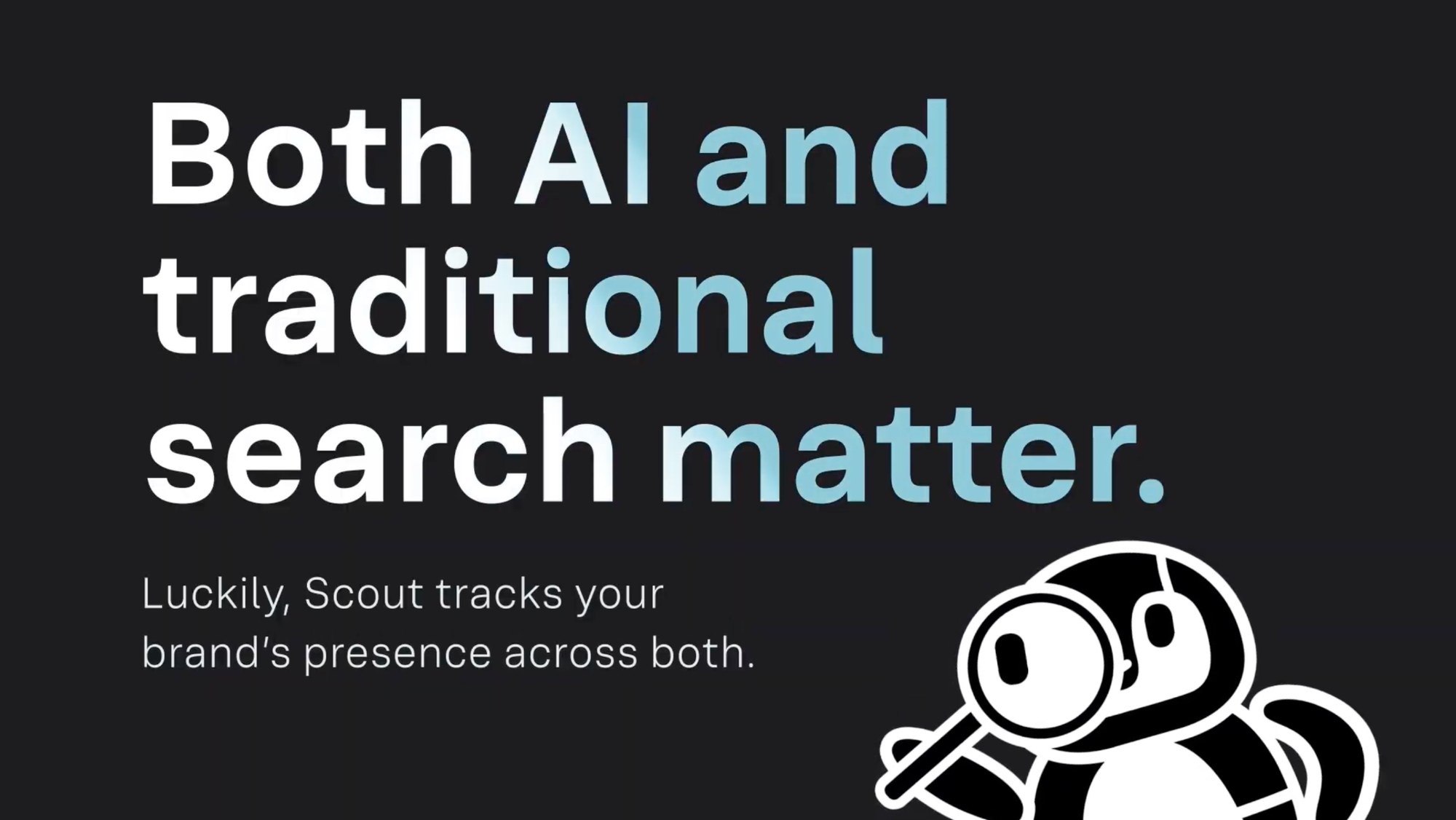
A character introduces useful questions for any brand: What does this element help people understand? When should it appear? How expressive should it be? A distinctive asset becomes more useful when everyone understands its purpose.
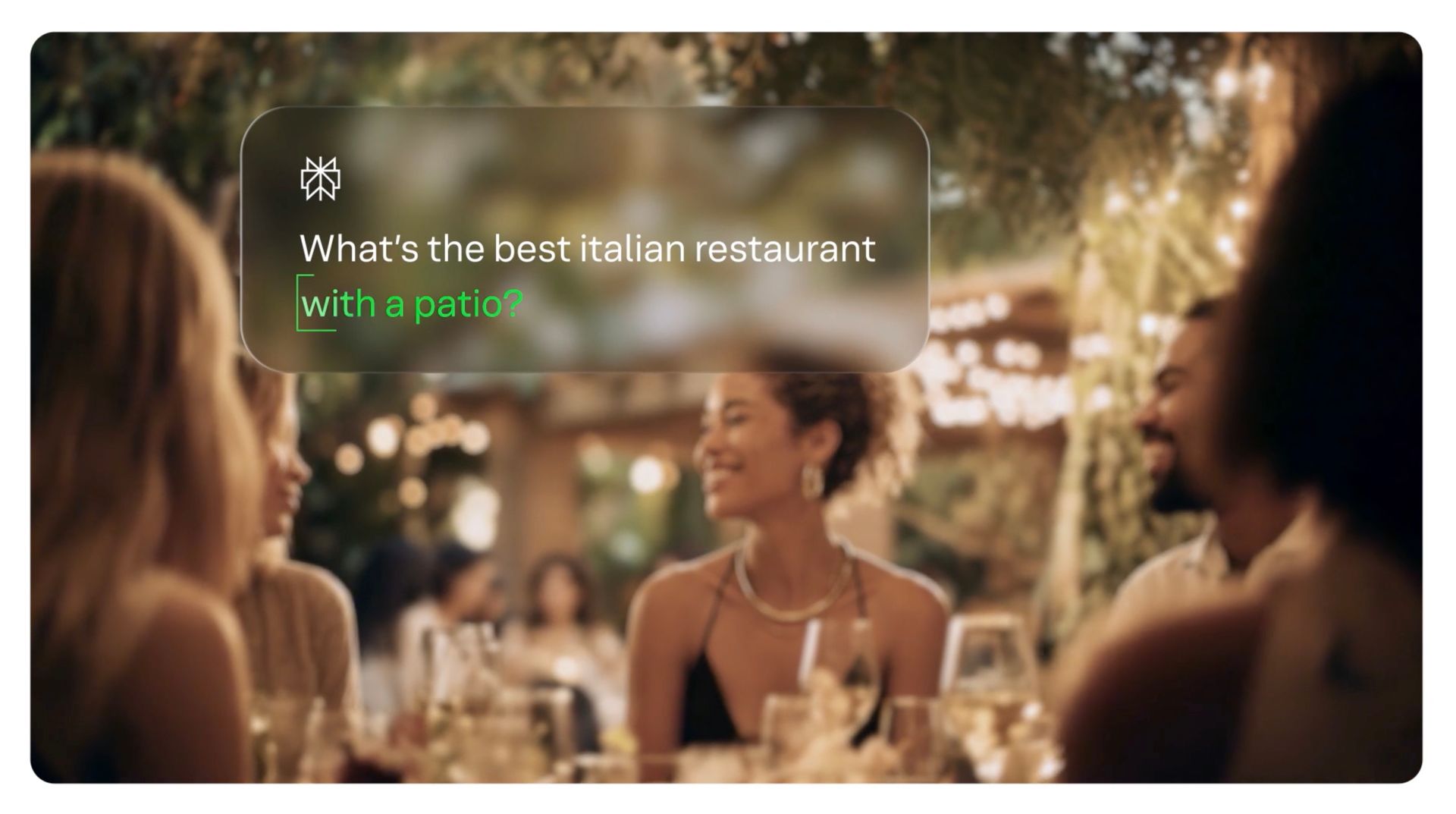
For Yext’s “Be the Answer” brand film, Spin translated the brand’s direction into a motion language that connects human moments with the mechanics of AI search. Floating interfaces, precise transitions and carefully paced editing help make a complex offer feel clear and approachable. The film also established a visual language for the product films that followed.
Design for the person making the next asset
A brand system meets a different test after approval. Someone needs to make a sales presentation, an event graphic or a product announcement. They may be an experienced designer, a marketer working in a template or a partner seeing the brand for the first time.
We plan for those people during development. Which decisions should the system fix? Where should it allow flexibility? What examples will make that distinction obvious?
For Ellevation, we extended an existing brand through its story and voice, logo and product lockups, typography, color and the “Summit” graphic system. The work included 63-page guidelines, plus template families and an asset library with instructions for people who are not designers.
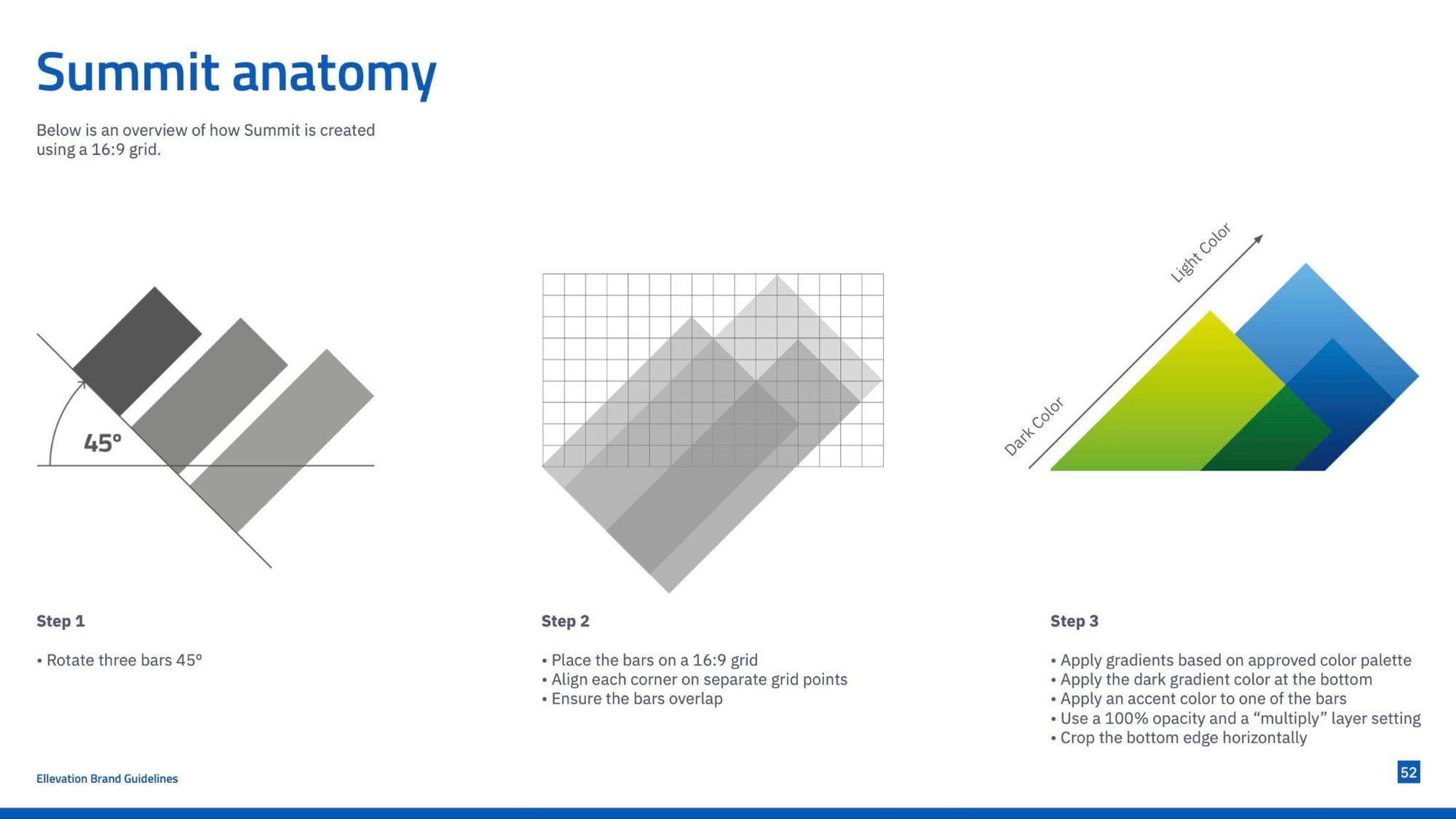
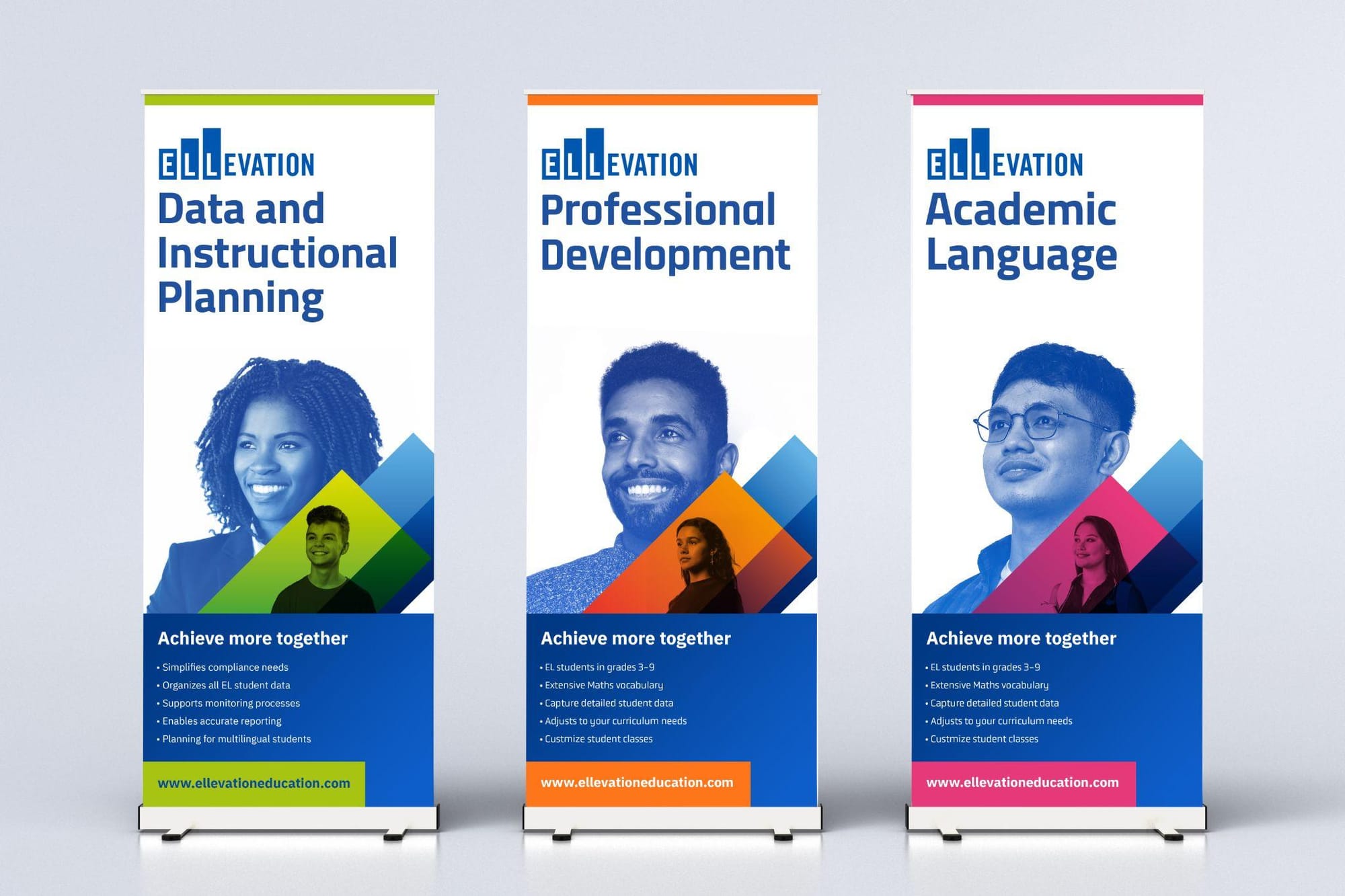
That combination matters. A graphic becomes a system when people understand how it is constructed and how to use it. A presentation template becomes useful when its layout gallery helps someone choose the right structure for their content.
Grid, type hierarchy, color relationships, logo placement and production specifications.
Headlines, imagery, audience emphasis and the evidence each communication needs.
Build the capability alongside the creative
Some teams need a defined brand engagement. Others need an ongoing creative partner who can help the brand develop as the business changes. Often, the relationship moves from one to the other: we create the brand and its system, equip the team to use it, then continue working alongside them.
That is what a hybrid partnership means in practice. The client’s marketing team brings its business knowledge, priorities and day-to-day ownership. Spin brings strategic and creative direction, specialist design and production, and additional capacity when the work calls for it. Together, we apply and evolve the system through campaigns, launches, sales materials, motion and video.
Our ongoing work with Skillsoft shows how we support a team within an established brand. Skillsoft’s brand identity and guidelines were created by another agency. Spin’s role has included product explainers, sizzle films and ongoing creative support, applying the existing brand to new stories and communications alongside its marketing team.
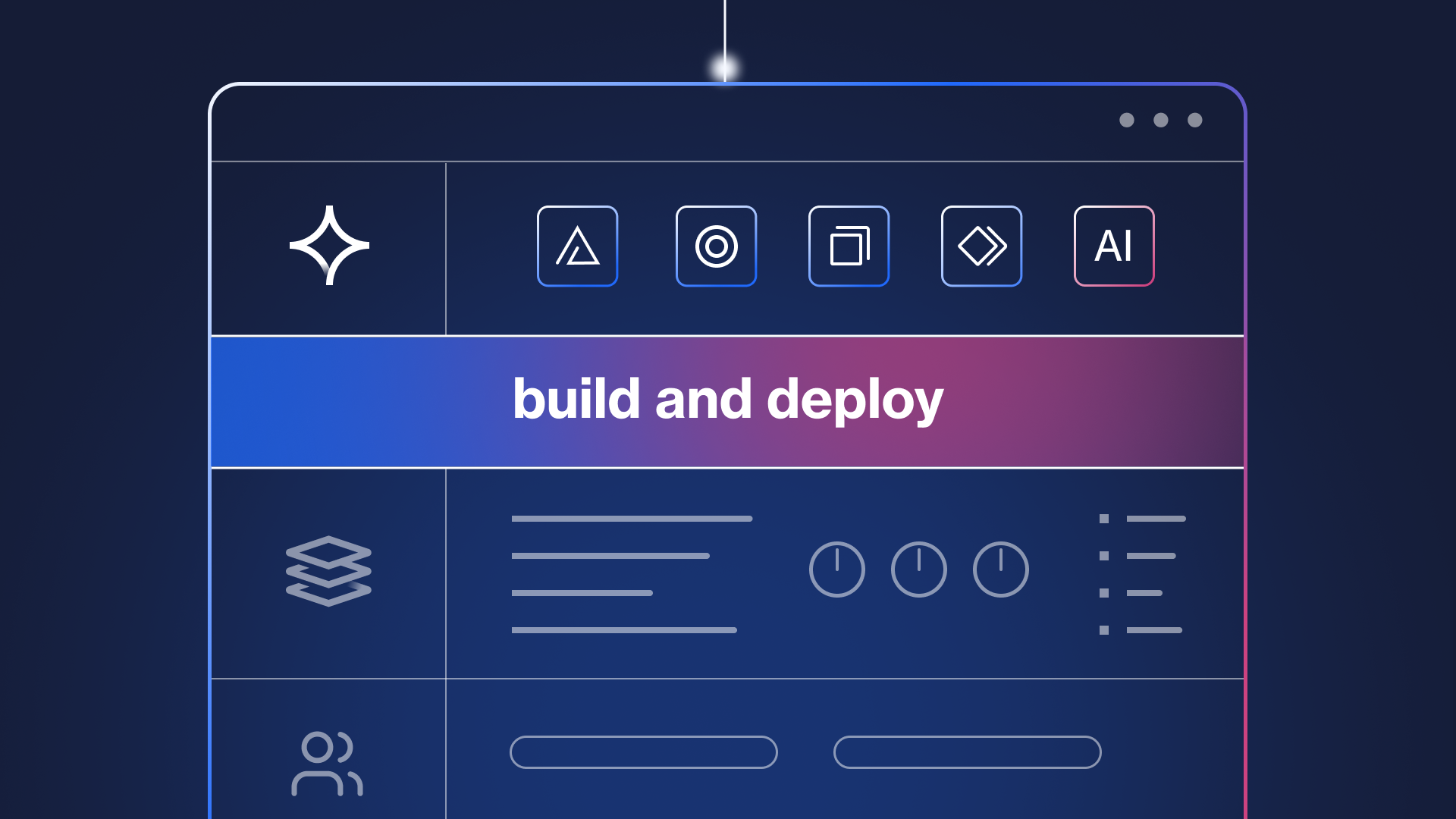
Working inside that context helps us understand what the marketing team needs to communicate, where motion can make a product easier to understand and how each new piece of work can remain consistent with the existing brand. The relationship provides continuity as priorities and messages change.
The same principle applies to campaigns. For Codecademy, we developed a campaign system around a single-minded proposition, with four creative themes and more than thirty digital units. The work included an AI-assisted creative production template system the team continued using after handover.

AI creative tools make clear brand guidance especially useful. Teams need examples of the desired expression, boundaries around imagery and language, and a review process for the output. We treat brand-level AI guidance as part of helping people use the system consistently.
Handover is part of the design
Working files, documentation and training shape how a brand lives after launch. We consider them part of the creative assignment from the beginning.
A useful handover gives a team:
- A clear reference: the strategic foundation, verbal and visual guidelines, plus a short overview for everyday use.
- Tools for actual tasks: editable templates, organized assets and examples relevant to the team’s priority channels.
- Guidance at the point of use: instructions that explain what can change, what should remain consistent and when additional creative support is needed.
- A way to keep improving: training, ownership and a process for reviewing how the system performs in practice.
The next person making something for the brand should understand both the decision and the reason behind it.
That is the standard we work toward. Distinctive creative gives a brand something people can recognize. A well-built system helps the organization keep expressing it with purpose.
How Spin Creative can help
We connect research and positioning with verbal and visual identity, then carry that thinking into design, campaigns, motion and video. We also build the templates, guidelines and working practices that help teams use the brand.
You work directly with the people shaping the strategy and creative throughout. We can lead a defined brand development engagement or work alongside an in-house team as an ongoing creative partner.
If your brand has grown beyond the tools supporting it, start a conversation with Spin Creative.
About Spin Creative
Spin Creative is a strategic creative partner for marketing teams, with deep experience in technology and B2B. We connect brand strategy, design, and advertising, working alongside you from the first question to the finished work.