A marketing team can know exactly where the business needs to go and still need help turning that direction into distinctive creative. Spin’s hybrid model connects creative thinking and specialist production with the team’s working rhythm and a shared understanding of the brand.
The brand has launched. The guidelines are in place. Then the next set of requests arrives: a product story, a sales presentation, a campaign, an event film. Each asks the team to make decisions the guidelines cannot fully anticipate.
Who decides how far the visual language can stretch? How should the story change for a different audience? Does this request need another asset, or a clearer idea?
Those questions are where an ongoing creative relationship can become useful. At Spin, we work alongside in-house marketing teams to help connect the brand’s intent with the work being made now.
What we mean by a hybrid creative partnership
Hybrid describes how we work together. The client’s team owns the business priorities and brings the knowledge of its customers, products and organization. Spin contributes strategic and creative direction, design, motion, video and production expertise. The mix changes with the assignment.
We can lead a defined brand engagement, support an existing identity or help a team take a campaign into production. Some relationships begin with one project and continue as the team’s needs develop. The scope and responsibilities should stay clear in either case.
The advantage we work toward is continuity. A team should be able to build on decisions it has already made, with a creative partner who understands the reasoning behind them.
Business priorities, customer and product knowledge, stakeholder access and final approval.
Strategic and creative direction, specialist design and production, and support applying the brand.
Start by identifying the actual gap
“We need more creative support” can describe several different problems. The team may have a strong direction but insufficient production capacity. It may need specialist motion or film expertise. Or it may be producing plenty of content while struggling to make the brand feel coherent.
Each calls for a different response. Adding production capacity will not resolve an unclear message. Revisiting the strategy on every small request will slow down a team that already knows what it needs.
We start with the work in front of us. What is the business trying to achieve? Where are decisions getting stuck? What can the internal team already do well? What would outside support make possible?
That conversation helps define an engagement around the team’s actual needs. It also makes it easier to decide which work the team should handle independently and where Spin should stay closely involved.
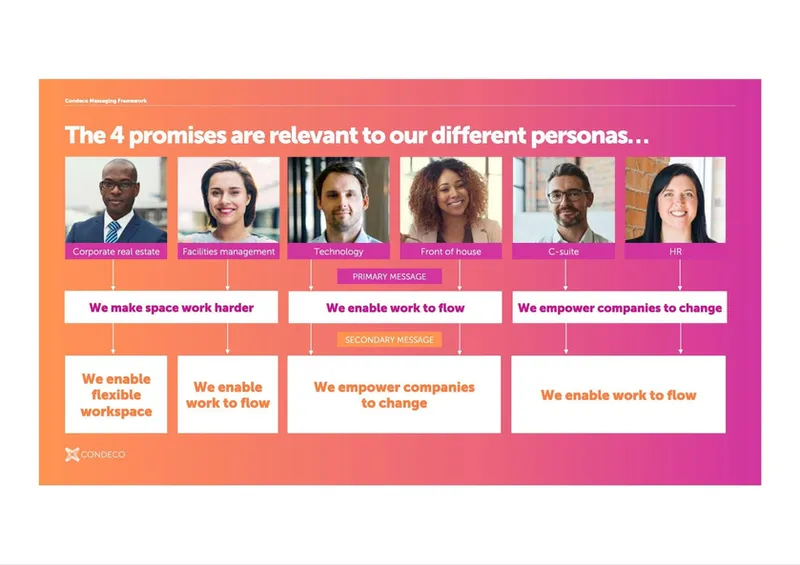
Our Condeco messaging framework connects audience groups with primary and secondary messages. That gives the marketing team a practical way to choose the emphasis for each communication while keeping the wider brand story connected.
Keep the thinking close to production
A brief loses value when its most important decisions disappear between strategy and execution. A product film may carry the right claims but never make the product feel useful. A campaign may follow the visual guidelines while saying little that distinguishes the brand.
We want the people making the work to understand the central idea, the audience and the evidence behind it. That understanding should guide the script, the design and the edit.
For example, a product launch may begin with a messaging question. Once the story is clear, the team can decide which parts need a film, which belong in a presentation and which can be handled through reusable design templates. Those choices should support the same objective.
A shared message house helps organize that story. A launch plan with clear decisions and responsibilities helps the team put it into use.
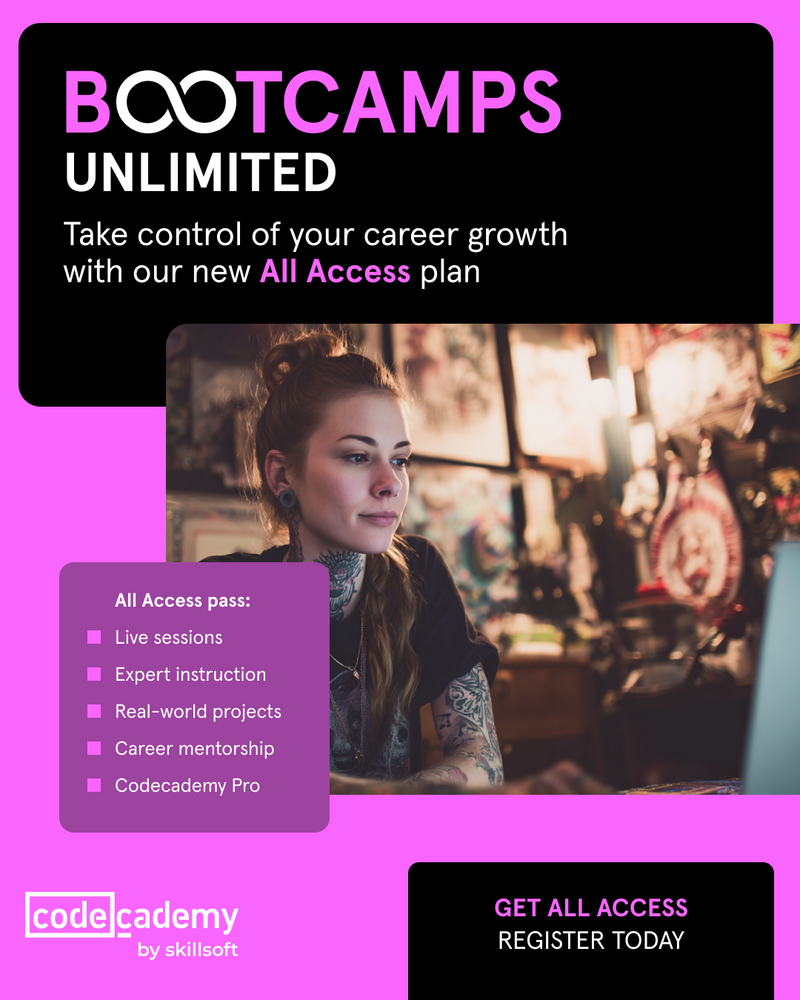
For Codecademy, Spin developed a campaign system spanning multiple creative themes and digital executions. This Bootcamps Unlimited creative shows how a shared offer can become a specific message, image and call to action. The system gives the team a basis for developing the next execution.
Work within the brand, and understand who built it
An ongoing creative relationship often begins with a brand that already exists. Respecting its foundation is part of the work.
Our work with Skillsoft is one example. Skillsoft’s brand identity and guidelines were created by another agency. Spin’s role has included product explainers, sizzle films and ongoing creative support alongside its marketing team. We apply the established brand to new stories and communications.
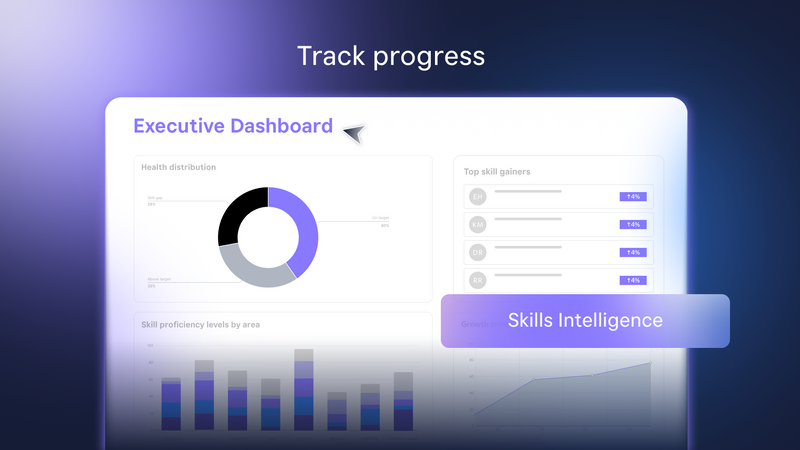
That requires judgment about what to preserve and where a new execution needs development. A motion sequence, for instance, has to express the brand through pacing and transitions as well as color and typography.
The same care applies when Spin creates the initial brand system. The relationship can continue through new applications, helping the team interpret and extend the system as the business changes. Our approach to branding, from strategy to scale, includes that transition from development into everyday use.
Build a working rhythm with clear decisions
Close collaboration still needs structure. Before work begins, we agree on the brief, deliverables, timing and who can approve the direction. We also establish how feedback will be gathered and which decisions need to happen before production advances.
For an ongoing relationship, a useful working rhythm includes:
- A shared view of priorities. Review upcoming launches and campaigns so urgent requests can be weighed against planned work.
- A brief for each assignment. Define the audience, intended response, central message and production requirements.
- Consolidated feedback. Resolve competing stakeholder notes into a clear direction for the next round.
- Agreed boundaries. Make scope, availability and approval responsibilities explicit, including how changes will be handled.
- A review after delivery. Capture what should improve in the creative, the templates or the workflow.
The cadence should fit the work. A major launch needs different involvement from a routine update. The point is to keep decisions visible and give everyone enough context to do their part well.
Make the team more capable over time
Every assignment is an opportunity to leave something useful behind. A recurring design problem may deserve a template. A successful motion treatment may belong in the guidelines. A difficult review may reveal that the brief needs a clearer approval owner.
We look for those patterns because a creative partnership should help the organization get better at using its brand. Working files, examples and practical guidance give the internal team more confidence to handle familiar tasks. Spin can then focus where strategic judgment or specialist craft adds the most value.
For Ellevation, Spin extended the existing brand into templates and practical applications. The professional development presentation below shows that system at work. The value is in giving the team a recognizable structure it can keep using as the content changes.

The next piece of work should benefit from what the team learned on the last one.
That is the kind of continuity we aim to build: a shared understanding that develops through the work and gives the brand room to grow.
How Spin Creative can help
Spin works alongside marketing teams across brand strategy, design, campaigns, motion and video. We can help define the direction, create the work and build the tools that make the next assignment easier.
If your team needs ongoing creative support, start a conversation with Spin. We will help identify the kind of involvement the work needs.
About Spin Creative
Spin Creative is a strategic creative partner for marketing teams, with deep experience in technology and B2B. We connect brand strategy, design, and advertising, working alongside you from the first question to the finished work.