
A motion review becomes difficult when everyone is judging a different thing. Product is checking a claim, brand is reconsidering the visual direction, and the project sponsor is asking whether the opening has enough energy. All three questions matter. They become harder to resolve when they first arrive on the same finished animation.
Spin’s view: every approval should answer a named question. The workflow should make the story, look and timing understandable while those decisions can still be explored directly. That gives craft a clear direction and gives enterprise stakeholders a useful role in shaping the work.
Brief the viewer’s task and the delivery together
Define what the intended audience should understand, believe or do after the piece. Identify the one idea that organizes the story, the evidence supporting it and the context in which people will watch. A launch opener and a product evaluation film can share a brand while doing different jobs.
Record the planned durations, placements, aspect ratios, languages, accessibility needs and handoff requirements. Name the person who can approve the work and the specialists responsible for accuracy. Bring product and legal reviewers into the stages where their input can shape the claims.
Use a shared agency brief and review process to keep those decisions visible. The schedule should include real review time, not just production time.
Approve the question each stage can answer
One stage. One clear question.
Concept and script: what should the viewer understand, and what supports it?
Style frames: does the visual language serve the story and the brand?
Storyboard and animatic: does the sequence give the idea room to register?
Animation and finishing: does the work fulfill the agreed decisions in every version?
A moodboard is a conversation about direction. A style frame is a designed test of the proposed visual language. A storyboard shows sequence. An animatic puts that sequence into time. Asking each artifact to do its own job helps reviewers give useful feedback without mistaking a provisional detail for a finished choice.
The exact sequence can vary with scope. A short motion extension of an established system may combine stages. A new visual world may need more exploration. Agree which decisions each stage will resolve rather than applying the same process mechanically to every assignment.
Microsoft Viva: establish a visual language before animating it
For Microsoft Viva’s next-generation launch film, Spin developed how a refreshed identity would behave in motion. Early style frames explored relationships between people, typography, interface details and soft color fields. Those tests gave the product information a coherent visual setting.

A style review should address hierarchy, composition, material, color and the role of imagery. Can the visual language carry both the human idea and the product detail? Is the design recognizable at the intended viewing size? Identify which parts are representative and which are still being explored.
Use creative direction and art direction to distinguish a change to the organizing idea from a change to its visual expression. The response and production implications will differ.
Use the animatic to test time
For the Viva project, Spin developed the storyboard into a timed animatic before full animation. Review examined the people sequence, the relationship between typography and the following interface shot, and whether information had enough time to register. The boardamatic made those relationships discussable before the final craft was built.

Watch a timed sequence at its intended scale. Ask someone unfamiliar with the product to explain what they understood. Check whether key words and interface details have time to register. If the explanation depends on pausing every frame, the sequence may contain more information than the encounter can carry.
Audio belongs in this thinking. Viva’s launch film used custom music without voiceover, so image, typography, music and sound each had a role. A narrated explainer needs a different balance. Establish the audio approach early enough for timing and visual emphasis to develop together.
Keep approvals useful when new evidence arrives
An approval records a decision and its basis. It should not prevent the team from responding to a factual error, product change or genuine comprehension problem. When new information appears, identify which approved decision it affects and what needs to be revisited.
Separate a correction from a changed preference or expanded brief. Explain the implications for assets, animation, audio, versions, scope and schedule before proceeding. This keeps a necessary change explicit instead of letting it spread through production unnoticed.
Record the approved version, the decision owner and any open conditions. A clear approval might confirm the narrative and timing while identifying a product label awaiting final verification. The team then knows what it can build and what remains provisional.
Plan adaptations as creative work
For Skillsoft’s LX Design Studio explainer, Spin’s work included creative direction, scripting support, storyboarding, motion design and interface animation. Four paid-social cutdowns carried LX-led and CAISY-led stories at 30 and 15 seconds, with square and vertical versions and French and German localization.
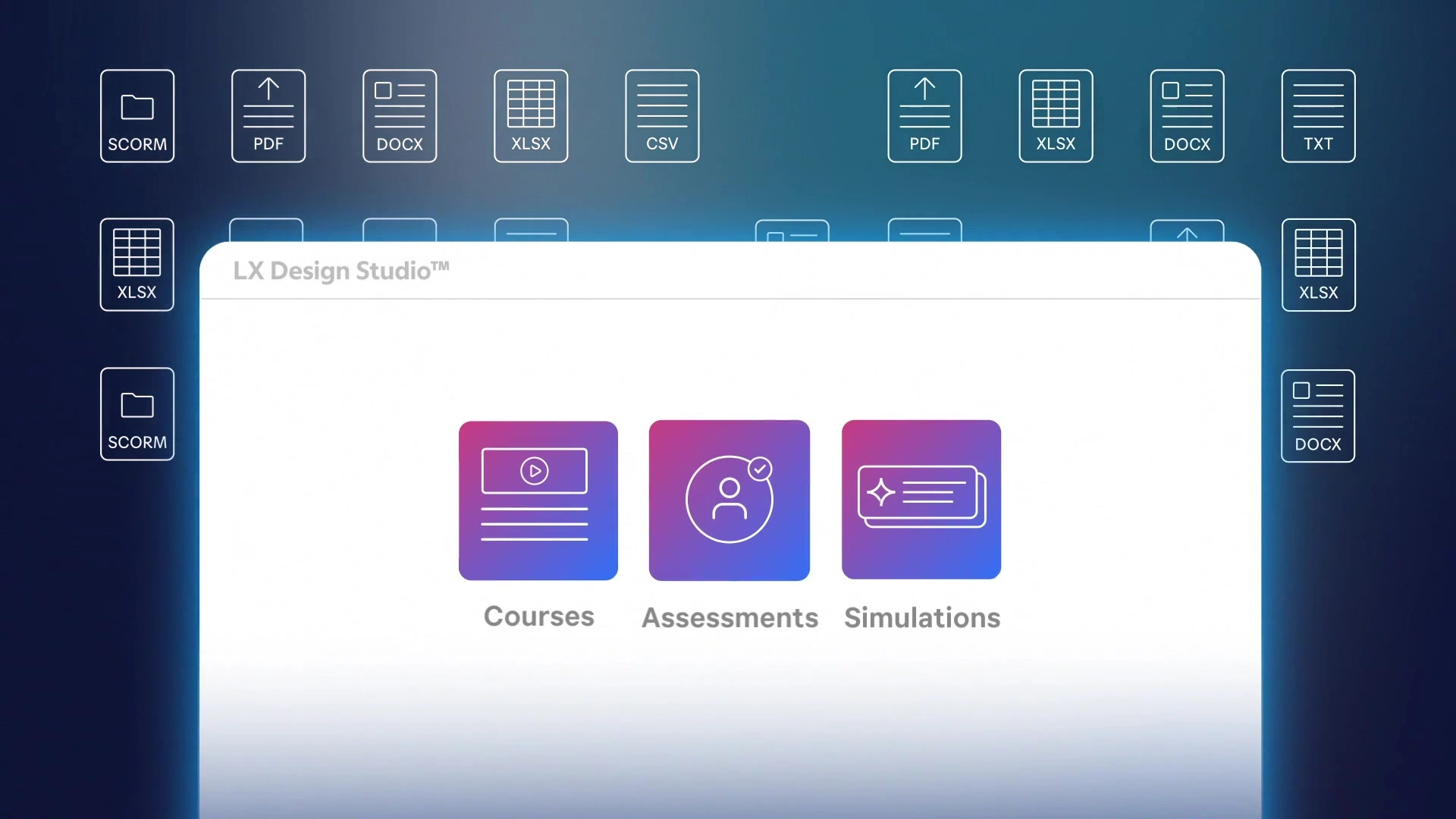
That scope makes the delivery question concrete. A shorter story needs a meaningful opening and a complete thought. A vertical version may need a new layout so interface details remain legible. Localized copy can change timing and composition. Put these requirements in the plan before the final export list.
Connect adaptations to the wider brand motion system. Shared behavior can preserve continuity while each format serves its own viewing context.
Give feedback the shape of a decision
Consolidate stakeholder notes into one resolved response. Include the version, timecode, observed problem and reason it matters to the audience or brief. “The product name appears before viewers understand the problem” gives the team something to solve. A general request for more energy does not yet identify the issue.
Keep specialist input visible while naming who makes the final decision. Product can verify accuracy; brand can assess expression; accessibility and channel owners can identify delivery requirements. The project lead should resolve contradictory notes rather than passing the conflict to the animator.
Define what finished means
Before handoff, check the current destination requirements, version names, durations, safe areas, image quality, spelling, product accuracy and audio. Provide appropriate captions for spoken material and agree any transcript or descriptive alternative needed for the intended use. Test the actual files and placements rather than assuming one export works everywhere.
Bring Spin your audience, story challenge, delivery list and approval dependencies. Explore Design or start a conversation. A useful workflow creates room for better creative decisions, then carries those decisions into the finished motion.