

Five agencies can respond to the same deliverable list with five convincing decks. You may still finish the process without knowing which team will make the strongest decisions when the brief changes, stakeholders disagree or the first creative route falls short.
That is the real job of a creative agency RFP: make the quality of the thinking visible before you commit. A comparable scope and a clear price matter. So do the questions a team asks, the evidence it chooses and the tradeoffs it can explain.
At Spin, we would rather discuss why a piece of work took its particular shape than present a reel without context. Enterprise marketing and procurement teams should design the search to invite that conversation. The goal is a defensible choice of partner and approach.
Start with the decision the search needs to support
A formal request for proposals is useful when your organization requires competition, several stakeholders need a shared basis for selection or the engagement spans disciplines that are difficult to compare. Start by agreeing what a convincing answer would need to show.
When the problem itself is still unclear, separate discovery from the larger production commitment. Ask for a bounded discovery scope, its outputs and how those outputs will inform the next decision. Otherwise, agencies may price different interpretations of an unresolved brief and appear to be bidding on the same thing.
Before contacting a shortlist, agree internally on the audience, the business change, the people making the choice and the evidence they need. Our guide to working with creative agencies extends that clarity into briefing, feedback and approvals after selection.
Give every agency the same six starting points
1. The change you need. Write the problem in language the audience would recognize. “We need a launch video” names an output. “Buyers understand the individual products but cannot explain why they belong together” gives a team something strategic to solve. State the desired audience response and how you will assess it.
2. What is known, and what needs judgment. Share existing positioning, research, brand guidance and previous work. Mark which decisions are approved, which can be challenged and which need discovery. A useful proposal should distinguish evidence from an assumption rather than treating every statement in the brief as equally settled.
3. The scope and its boundaries. List the required formats, channels, markets and deadlines. Separate essential launch assets from optional extensions. Ask the agency to identify dependencies and propose a sequence. If both brand direction and execution are in scope, make those responsibilities explicit.
4. The evidence you want to see. Request two or three relevant projects, with the original problem, the agency’s precise role, a consequential decision and the resulting work. Ask for measured outcomes when they are available and attributable. When they are not, assess the reasoning and craft directly; a polished case study is not a substitute for evidence.
5. The people and decision rights. Name your project owner, reviewers and final approver. Ask who will lead strategy, creative direction and delivery on the agency side, who is available for the work and where specialist collaborators enter. Understand the proposed working team rather than assuming the pitch team will do everything.
6. The commercial and selection conditions. Share a useful budget range, response requirements, evaluation criteria, question window and decision date. Ask for fees, outside costs, usage assumptions, review rounds and change handling in a consistent format. Let agencies know what information would make a response ineligible.
Ask to see a decision, not just a finished image
In Yext’s Cut the BS campaign, Yext originated the Bad Signals concept. Spin developed the story, script, humor, characters and visual world, then directed AI production and created the graphics, motion, edit and finish.
The EV storyboard and selected frame provide a useful pair of artifacts. You can see how the planned relationship between the driver, car door and search result carries into the finished composition. In an agency interview, ask what that arrangement needed to communicate, what changed during production and what was deliberately left out.
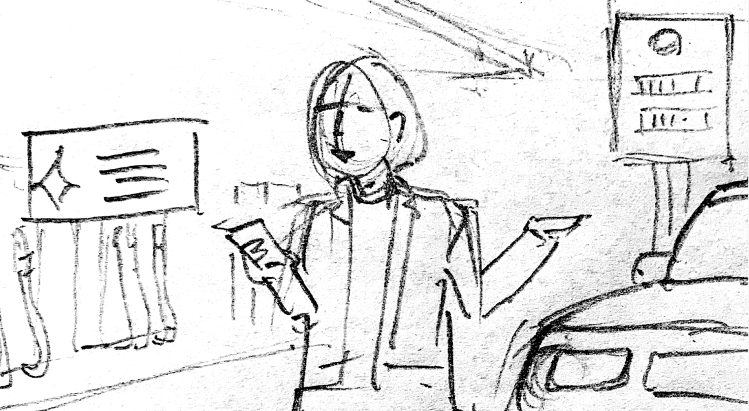
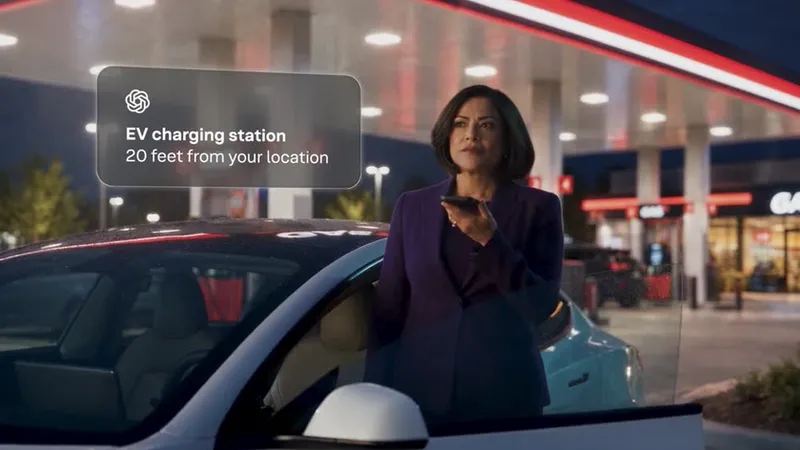
Put the storyboard beside the finished frame and ask the team to explain the decisions between them. Which detail carried the idea? What had to change? That discussion reveals how a team evaluates its own work and carries a direction through production.
Score the answers that will matter after the pitch
Agree on criteria before reading responses. Have reviewers score independently, cite the evidence behind each score and then discuss meaningful differences. Use a score to structure a decision, with room to document a tradeoff that a simple total cannot capture.
Make the reasoning comparable.
Does the team understand the audience problem, identify the important unknowns and explain a credible approach?
Can the team connect its stated role and creative decisions to work that addresses a comparable challenge?
Are ownership, senior involvement, review gates and dependencies clear enough to assess how the work will happen?
Are scope, fees, rights, outside costs and change assumptions explicit and comparable?
An interview should add evidence. Ask, “What would you need to learn before recommending a creative route?” Then ask the team to walk through a past decision under a real constraint. If you need new project-specific strategy or creative work to evaluate the fit, agree on a paid, bounded exercise with clear expectations.
Look beyond the first deliverable
A partner may need to carry a direction across several kinds of work. For Ellevation, Spin worked with the brand and content team on creative strategy and a practical identity system, followed by website design and custom photography. The refreshed brand had to remain coherent as it moved into a digital experience.
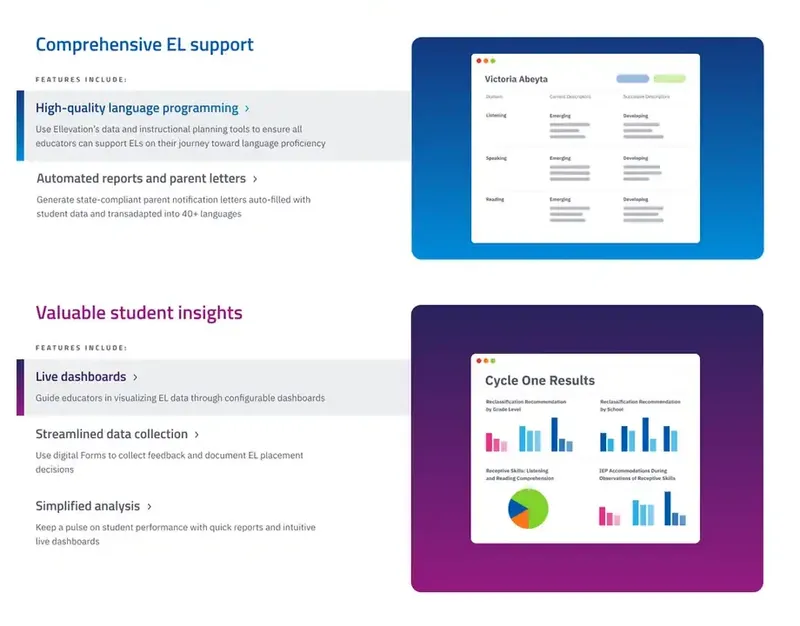
Use that kind of continuity as an evaluation question: can the proposed partner show how an idea became a usable system, and explain the handoffs? Our brand systems article explores that connection. It is different from asking an agency to promise every discipline at the same depth.
Normalize the assumptions before comparing the price
Two totals are comparable only when the underlying obligations are clear. Reconcile strategy depth, concept routes, revisions, languages, formats, rights, travel, outside production and delivery responsibilities. Ask which client inputs the timeline depends on and how a change will be estimated before work proceeds.
For ongoing support, compare the proposed capacity and senior involvement as well as the monthly fee. Creative retainer pricing offers a useful starting point. For a defined project, keep optional work separate so it does not obscure the essential scope.
Make the choice you can explain
Record why the selected team’s approach fits the problem, which evidence gave you confidence and what still needs to be resolved in the engagement. Close the loop with the other participants. Then carry the agreed assumptions and decision rights into the kickoff.
The strongest RFP does more than organize a purchasing process. It gives both sides enough clarity to decide whether they can do good work together. The quality of that conversation is useful evidence in itself.
If you are choosing a partner for a brand or campaign challenge, explore Spin’s Branding and Advertising work, or start a conversation with the business problem and the decisions still open.